For millions of Indians living with diabetes, managing blood sugar levels is a daily priority. The HbA1c test, which reflects average blood glucose over two to three months, is a crucial marker of long-term control. On December 1, 2025, a medical expert shared a set of practical, evidence-based lifestyle strategies specifically aimed at helping individuals lower their HbA1c levels and take charge of their health.
Understanding the HbA1c Target
HbA1c, or glycated hemoglobin, is more than just a number on a lab report. It is a vital indicator of diabetes management success. Consistently high levels are linked to an increased risk of complications affecting the heart, kidneys, eyes, and nerves. Therefore, actively working to lower this value through sustainable lifestyle modifications is foundational to preventing long-term health issues and improving quality of life.
The Top Five Lifestyle Strategies for Better Control
The doctor's recommendations focus on holistic changes that go beyond mere medication. These five strategies form a comprehensive approach to diabetes care.

First, prioritize a balanced, low-glycemic diet. This involves choosing whole foods like vegetables, legumes, and whole grains that release sugar slowly into the bloodstream. Reducing the intake of refined carbohydrates, sugary beverages, and processed snacks is essential to prevent sudden spikes in glucose levels.
Second, incorporate regular physical activity. A consistent exercise routine, combining aerobic activities like brisk walking or cycling with strength training, improves insulin sensitivity. This means the body can use insulin more effectively to lower blood sugar. Aiming for at least 150 minutes of moderate exercise per week is a standard, achievable goal for most people.
Third, manage stress effectively. Chronic stress can lead to elevated cortisol levels, which in turn can raise blood glucose. Practices such as yoga, meditation, deep breathing exercises, or even pursuing a hobby can significantly mitigate stress's impact on diabetes.
Fourth, ensure consistent and quality sleep. Poor sleep patterns disrupt hormones that regulate appetite and blood sugar, such as insulin, cortisol, and growth hormone. Establishing a regular sleep schedule and creating a restful environment are critical steps often overlooked in diabetes management plans.
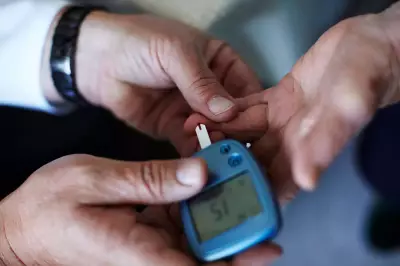
Fifth, maintain regular monitoring and medical consultations. Self-monitoring of blood glucose provides immediate feedback, while regular check-ups with a healthcare provider ensure that the management plan is working and allows for timely adjustments. Adherence to prescribed medication, if any, is a non-negotiable part of this strategy.
Building a Sustainable Health Framework
The core message from the doctor is that these strategies are not quick fixes but components of a lifelong commitment to health. Success in lowering HbA1c comes from consistency and integrating these habits into daily routines. Small, incremental changes are more sustainable than drastic overhauls.
It is also vital to personalize these approaches. What works for one individual may need tweaking for another, which is why ongoing dialogue with a doctor or a diabetes educator is invaluable. This personalized guidance can help navigate challenges and keep motivation high.
Ultimately, effective diabetes management empowers individuals. By adopting these five lifestyle strategies—focused on diet, exercise, stress, sleep, and monitoring—people can actively work towards lower HbA1c levels, reduce the risk of complications, and lead a healthier, more fulfilling life.