Dr. William Foege, Visionary Behind Smallpox Eradication, Dies at 87
The global health community mourns the loss of Dr. William Foege, the esteemed epidemiologist whose innovative strategies were instrumental in eradicating smallpox, one of humanity's deadliest diseases. He passed away at the age of 87, leaving behind a legacy that has saved countless lives and reshaped public health practices worldwide.
Pioneering Role in Global Health
Dr. Foege's contributions to medicine and epidemiology are nothing short of revolutionary. During the 1960s and 1970s, he developed and implemented the "surveillance and containment" approach, a method that focused on identifying and isolating smallpox cases rather than mass vaccination campaigns. This strategy proved highly effective in resource-limited settings and was a key factor in the World Health Organization's successful eradication of smallpox in 1980, the first and only time a human disease has been completely eliminated.
Career and Lasting Impact
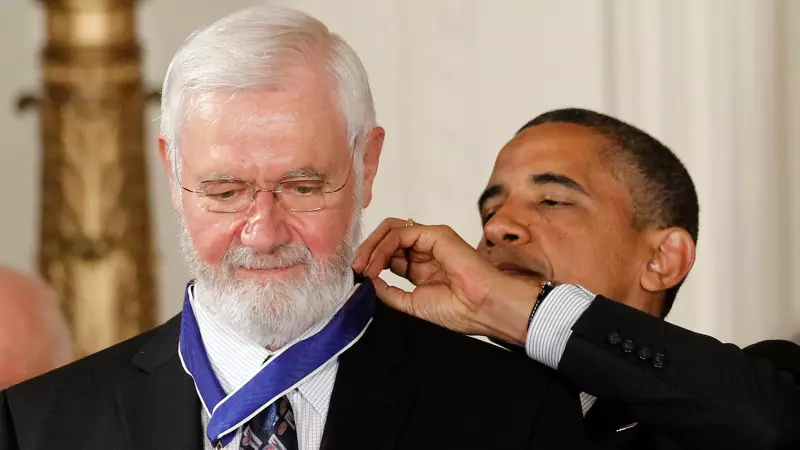
Beyond smallpox, Dr. Foege held significant leadership positions, including serving as the director of the U.S. Centers for Disease Control and Prevention (CDC) from 1977 to 1983. His work extended to combating other infectious diseases and advocating for global health equity. He was a co-founder of the Task Force for Global Health and received numerous accolades, such as the Presidential Medal of Freedom, for his lifelong dedication to improving public health systems.

Legacy and Tributes
Colleagues and health experts worldwide have paid tribute to Dr. Foege, highlighting his humility, strategic thinking, and unwavering commitment to eradicating suffering. His methods continue to influence modern epidemiology, particularly in outbreak responses and vaccination programs. As the world faces new health challenges, his legacy serves as an inspiration for future generations of public health professionals.
Dr. Foege's passing marks the end of an era, but his impact endures through the millions of lives saved and the strengthened global health infrastructure he helped build. His story is a testament to the power of science, collaboration, and compassion in overcoming some of humanity's greatest threats.