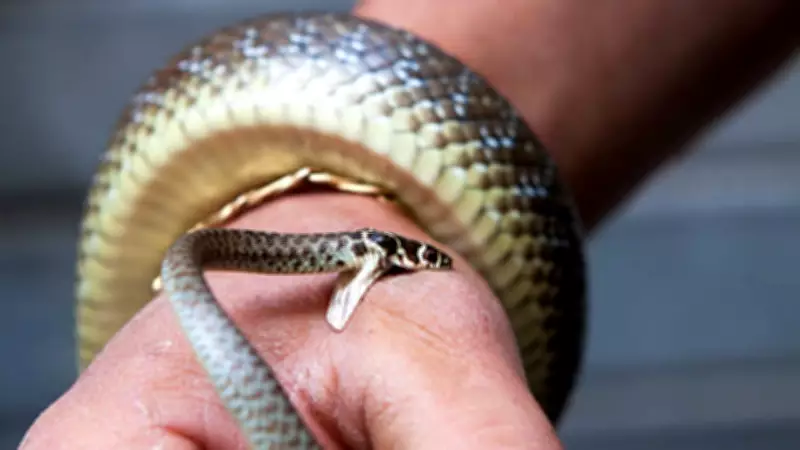
What Is a Dry Snake Bite?
A dry bite occurs when a venomous snake bites but does not release venom or releases only a minimal amount. Studies indicate that between 20% and 80% of venomous snake bites are dry, depending on the species. While this may sound reassuring, the reality is far more complex. Even without venom, a snake bite involves sharp fangs that penetrate deep into tissue, causing heavy bleeding and puncture wounds. These wounds are contaminated with bacteria from the snake's mouth, which can lead to serious infections such as cellulitis or even more severe conditions.
The Hidden Dangers of a Dry Bite
The immediate problem after any snake bite is uncertainty. You cannot know whether venom was injected, and symptoms of envenomation may take hours to appear. This forces victims to assume the worst and seek emergency care. An ER visit typically includes blood tests, observation, and possibly antivenom, even if the bite turns out to be dry. Some people later feel embarrassed about the expense, but that reaction is misguided. In the moment, you have no way to confirm a dry bite, so seeking help is the only rational choice.
Medical professionals must also err on the side of caution. Misjudging a bite could be fatal if venom is present but slow-acting. Therefore, aggressive treatment is standard protocol. The stakes are too high to gamble with incomplete information.

Physical and Psychological Impact
Beyond infection risks, a snake bite triggers a massive stress response. Adrenaline surges, heart rate skyrockets, and blood pressure spikes. For individuals with underlying heart conditions or anxiety disorders, this physiological reaction can be dangerous in itself. The terror of a snake bite can sometimes cause more harm than the bite would have.
The location of the bite also matters. A dry bite on a finger is far less threatening than one on the neck or face, where fangs can damage major blood vessels, nerves, or airways. Even without venom, structural damage can be severe.
Why Immediate Medical Attention Is Non-Negotiable
There is no reliable way to distinguish a dry bite from a venomous one at the moment it happens. The bite does not feel different, and visual cues are misleading. You cannot afford to wait or attempt to identify the snake. The only safe response is to get to a hospital immediately. Proper wound care, antibiotics to prevent infection, and monitoring for envenomation are essential. This is not overcaution; it is the standard of care for surviving a snake bite.
If a snake bites you, do not hesitate. Do not try to assess whether it was dry. Assume it was venomous and seek help right away.
Disclaimer: This article is for informational purposes only and is not a substitute for professional medical advice, diagnosis, or treatment.