India is facing a silent health epidemic that's affecting millions of citizens across the country. Fatty liver disease, once considered a minor concern, has now become a major public health challenge affecting approximately one in three Indian adults.
Understanding Fatty Liver Disease
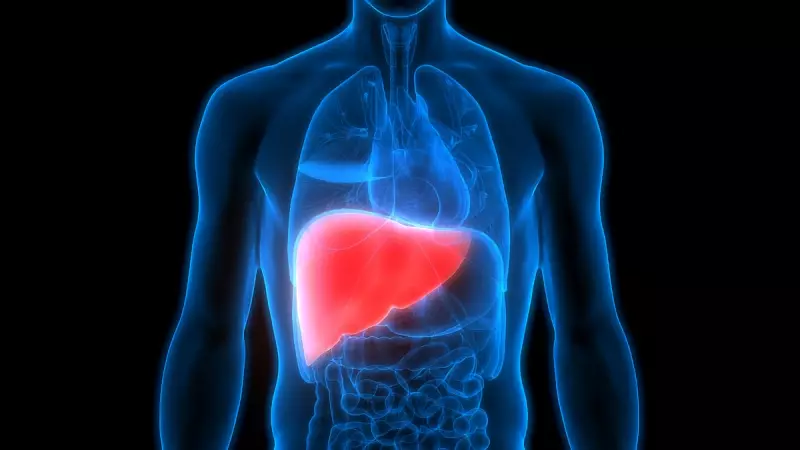
Fatty liver disease occurs when excess fat builds up in liver cells. Medical experts categorize it into two main types: Non-Alcoholic Fatty Liver Disease (NAFLD) and Alcoholic Fatty Liver Disease. NAFLD is particularly concerning because it develops in people who consume little or no alcohol.
The progression of this disease follows a dangerous path. It begins with simple fat accumulation, then advances to inflammation (steatohepatitis), followed by scarring (fibrosis), and ultimately can lead to cirrhosis or liver cancer. What makes this disease particularly treacherous is that many people experience no symptoms until significant liver damage has occurred.

Risk Factors and Vulnerable Populations
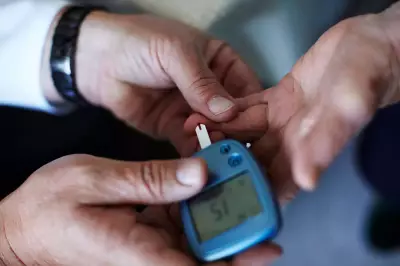
Several factors significantly increase the risk of developing fatty liver disease. Obesity and being overweight are primary contributors, with studies showing that up to 80% of obese individuals may develop NAFLD. Type 2 diabetes patients face particularly high risks, as insulin resistance promotes fat accumulation in the liver.
Other risk factors include high blood pressure, abnormal cholesterol levels, metabolic syndrome, and rapid weight loss. Genetic predisposition also plays a role, making some individuals more susceptible than others. The disease doesn't discriminate by age either - it's increasingly being diagnosed in younger populations, including children and adolescents.
Diagnosis and Treatment Approaches
Diagnosing fatty liver disease typically involves blood tests to check liver enzymes, imaging studies like ultrasound or FibroScan, and sometimes liver biopsy for definitive diagnosis. Early detection is crucial because liver damage can often be reversed in initial stages through lifestyle modifications.
Currently, there are no specific medications approved solely for treating NAFLD. Treatment focuses on addressing underlying conditions and lifestyle changes. Weight reduction through balanced diet and regular exercise remains the cornerstone of management. Even a 5-10% reduction in body weight can significantly improve liver health and reverse early-stage damage.
Medical professionals emphasize the importance of a comprehensive approach that includes nutritional counseling, physical activity programs, and management of associated conditions like diabetes and hypertension. Regular monitoring through follow-up tests helps track progression and treatment effectiveness.
Prevention and Public Health Implications
Preventing fatty liver disease requires a multi-faceted approach at both individual and community levels. Maintaining a healthy weight through balanced nutrition and regular physical activity is the most effective preventive measure. A diet rich in fruits, vegetables, whole grains, and lean proteins while limiting processed foods, sugars, and saturated fats can significantly reduce risk.
Public health initiatives need to focus on raising awareness about this silent epidemic. Regular health check-ups, especially for high-risk individuals, can facilitate early detection. The economic burden of advanced liver disease on healthcare systems and families underscores the importance of preventive measures and early intervention strategies.
As research continues, new treatments and better understanding of the disease mechanisms are emerging. However, the current focus remains on lifestyle modification and managing underlying metabolic conditions to combat this growing health concern affecting millions of Indians.