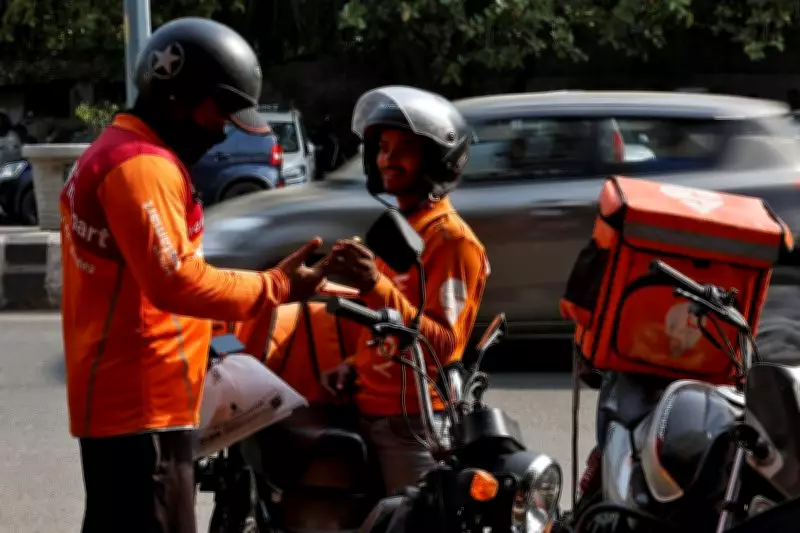
FSSAI cracks down on Swiggy Instamart after consumer complaints
India's food regulator, the Food Safety and Standards Authority of India (FSSAI), has issued nine notices to Swiggy Instamart, the quick-commerce arm of Swiggy, following a series of consumer complaints alleging the supply of rotten, expired, and unsafe food products. The regulator announced the action in a post on X on July 11, 2026, stating that the notices were issued for alleged violations under the FSS Act, 2006.
Details of complaints: expired infant formula, contaminated eggs
According to FSSAI, one complaint involved an infant food formulation that was found in a "highly deteriorated and unsafe condition, showing signs of contamination and improper storage and handling." Even after the product was returned, it was allegedly re-supplied to the same consumer. Other complaints included delivery of contaminated eggs and milk, as well as damaged packaged food items. The regulator also noted that some food business entities listed on the platform had incorrect, invalid, or non-existent FSSAI licence numbers, or were operating under names different from those on their registration.
Inadequate grievance redressal flagged
FSSAI highlighted that several consumers reported receiving no satisfactory response or corrective action despite escalating their complaints. In one instance, only a refund was offered, without any action to address the underlying food safety concerns. The regulator stated that the notices raise serious issues regarding seller onboarding, compliance verification, traceability, food quality monitoring, consumer grievance redressal, and the overall adequacy of Swiggy Instamart's food safety compliance systems.

Platform directed to explain or face legal action
FSSAI has directed Swiggy Instamart to submit a detailed explanation and a compliance report. The regulator warned that failure to do so will result in appropriate legal action. The notices were issued based on both suo moto cognizance and consumer complaints. This action is part of a broader crackdown by FSSAI on food business operators, including energy drink makers, alcoholic beverage companies, and other quick-commerce platforms, in recent months.