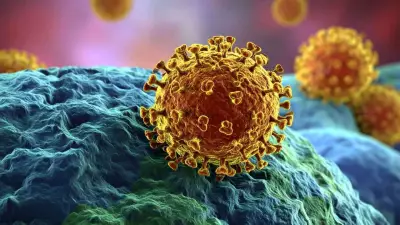
Have you ever wondered why some people get strong protection from vaccines while others remain vulnerable? Groundbreaking research is uncovering the biological mysteries behind why vaccines work brilliantly for some individuals but provide limited protection for others.
The Genetic Blueprint of Vaccine Response
Scientists are discovering that our genetic makeup plays a crucial role in how we respond to vaccines. Each person's immune system reacts differently to the same vaccine, creating variations in protection levels that can mean the difference between strong immunity and limited defense against diseases.
Recent studies have identified specific genetic markers that influence how our bodies recognize and respond to vaccine components. These genetic differences affect the production of antibodies and memory cells that provide long-term protection against infections. The research shows that these variations are completely normal and explain why no vaccine provides 100% protection for 100% of people.

Understanding the Immune System's Role
The human immune system is incredibly complex, involving multiple layers of defense that work together to fight infections. When a vaccine is administered, it triggers a sophisticated response that involves identifying the pathogen, creating specific antibodies, and developing memory cells for future protection.
Several factors contribute to varying vaccine responses, including age, overall health, nutritional status, and pre-existing conditions. However, genetic factors create the foundation upon which all these other elements build. Some people naturally have immune systems that respond more vigorously to certain types of vaccines, while others may need different approaches to achieve adequate protection.
Implications for Public Health and Future Vaccines
This understanding of genetic influences on vaccine effectiveness has significant implications for public health strategies and future vaccine development. Researchers are now exploring how this knowledge can lead to more personalized vaccination approaches that consider individual genetic profiles.
The future of vaccination may involve tailored strategies that maximize protection for different genetic groups. This could mean developing multiple versions of vaccines or adjusting dosage schedules based on genetic markers that predict immune response. Such approaches could dramatically improve overall vaccine effectiveness and help protect vulnerable populations more effectively.
While current vaccines remain highly effective for the majority of people, understanding these variations helps researchers develop even better protection strategies. This knowledge also emphasizes why community-wide vaccination remains crucial - when enough people are vaccinated, even those with weaker individual responses gain protection through herd immunity.
Ongoing research continues to uncover new aspects of how our bodies respond to vaccines, promising a future where vaccination strategies can be optimized for every individual's unique biological makeup.