

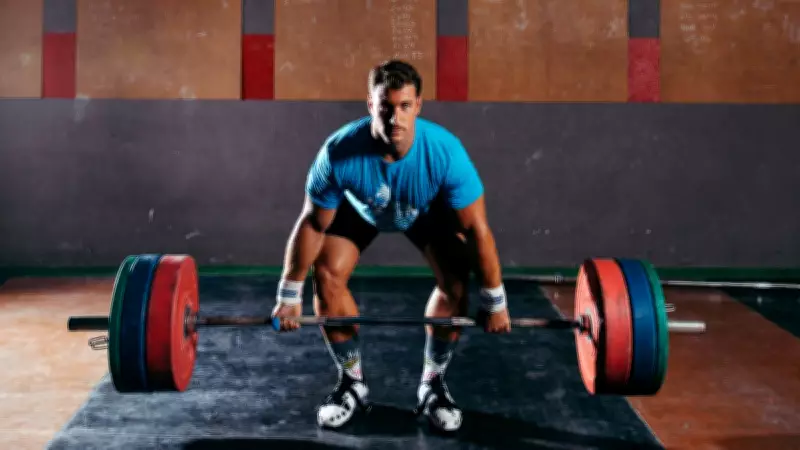
Heavy Lifting at Work Raises Hernia and Cancer Risk for Men, New Research Shows
A recent study has uncovered a significant link between occupational heavy lifting and increased health risks for men, specifically pointing to a higher likelihood of developing hernias and certain cancers. This research sheds light on the long-term consequences of physically demanding jobs, urging a reevaluation of workplace safety and health monitoring protocols.
Study Details and Key Findings
The study, conducted over several years, analyzed data from thousands of male workers across various industries. It found that men who regularly lift heavy objects as part of their job duties are at a substantially elevated risk for inguinal hernias, a condition where tissue protrudes through a weak spot in the abdominal muscles. Additionally, the research identified a correlation between heavy lifting and an increased incidence of specific cancers, including prostate and colorectal cancers, though the exact mechanisms remain under investigation.
Key statistics from the study include:- Men engaged in heavy lifting showed a 40% higher risk of hernia development compared to those in sedentary roles.
- The cancer risk associated with heavy lifting was noted to be up to 25% greater, depending on the type of cancer and duration of exposure.
- Workers in construction, manufacturing, and logistics sectors were identified as the most vulnerable groups.
Potential Causes and Health Implications
Experts suggest that the physical strain from heavy lifting can lead to chronic inflammation and muscle damage, which may contribute to hernia formation. For cancer, theories point to hormonal changes, such as increased testosterone levels from intense physical exertion, and oxidative stress as possible factors. The study emphasizes that these risks are cumulative, meaning longer exposure to heavy lifting amplifies the danger over time.

Recommendations for Prevention and Workplace Safety
To address these findings, health professionals recommend several strategies to reduce risks for men in heavy-lifting roles:
- Implement proper training on lifting techniques to minimize strain and injury.
- Use mechanical aids, such as forklifts or hoists, to handle heavy loads whenever possible.
- Schedule regular health check-ups, including screenings for hernias and cancers, especially for older workers.
- Promote workplace policies that limit excessive lifting and encourage breaks to prevent overexertion.
This research adds to growing evidence on the health impacts of physically demanding work, calling for increased awareness and action from both employers and policymakers to protect worker well-being.






