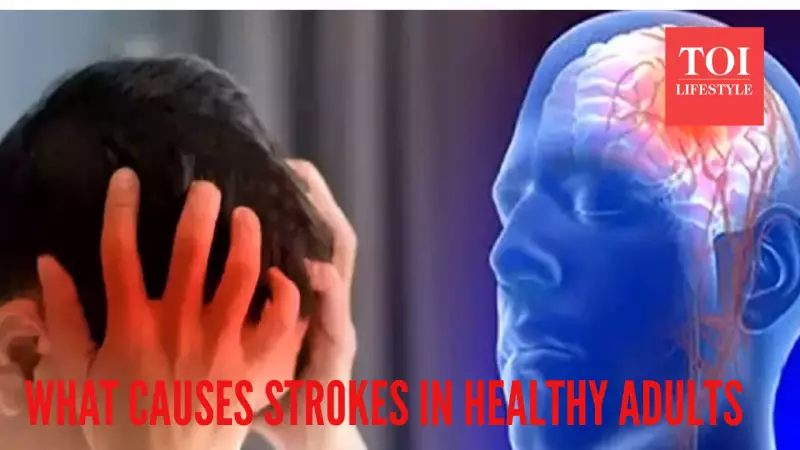
When we imagine a stroke patient, we often picture someone older, perhaps with high blood pressure, obesity, or a sedentary lifestyle. However, a leading neurologist warns that this stereotype is dangerously incomplete. Strokes are increasingly striking individuals who appear perfectly healthy and are under the age of 50.
The Puzzling Case of the Healthy 40-Year-Old
Dr Sudhir Kumar, a prominent neurologist, recently shared a revealing case on social media platform X. A 40-year-old patient, bewildered by his own diagnosis, asked him: "My BP is always 120/80… I sleep 7 hours… I walk 10,000 steps. Why did I suffer a stroke?" This question underscores a critical medical reality. While maintaining normal blood pressure, getting adequate sleep, and exercising regularly significantly reduce the risk of stroke, they do not grant complete immunity.
For younger adults, particularly those below 50, strokes frequently originate from non-traditional or hidden causes that routine health check-ups might easily miss. Dr Kumar highlights five common hidden culprits behind strokes in seemingly healthy young individuals.

1. Underlying Heart Issues
Heart abnormalities are a major stealth threat. A common condition is Patent Foramen Ovale (PFO), a small hole between the heart's upper chambers that fails to close after birth. This opening, present in about 25% of the population, can allow blood clots to pass from the veins directly to the brain, causing a stroke. It is responsible for 20-30% of strokes in young adults.
Another significant risk is atrial fibrillation (irregular heartbeat), which can double the chances of clot formation. This condition can occur even in fit individuals in their 30s due to factors like stress, excessive caffeine, or genetics. Modern wearables like smartwatches can sometimes detect these silent episodes. Treatments like closure surgery or blood thinners can reduce the risk of a repeat stroke by up to 50%.
2. Neck Artery Tears (Artery Dissection)
Sudden neck movements or injuries can lead to a tear in the arteries supplying the brain—a condition known as carotid or vertebral artery dissection. This accounts for 10-25% of strokes in people under 45. The trigger can be as simple as a vigorous yoga pose, a coughing fit, or whiplash from a minor car accident. The tear causes a clot to form, blocking blood flow to the brain. Symptoms often start with a severe, sudden headache or neck pain, followed by weakness or vision problems.
3. Sneaky Lipid Profile and High Lipoprotein(a)
Traditional cholesterol tests don't tell the whole story. A genetic factor called Lipoprotein(a), or Lp(a), is a sticky particle that can inflame blood vessels and dramatically increase clotting risk, even when standard cholesterol readings are normal. It can raise stroke risk by 2-3 times in younger adults. This factor is often missed in basic lipid panels and requires specific screening. Poor diet and family history are key contributors.
4. Blood Clotting Disorders
Inherited or acquired conditions that make the blood clot too easily are a significant hidden danger. These disorders can be triggered or worsened by factors like pregnancy, birth control pills, smoking, or dehydration. In some studies, conditions like Antiphospholipid Syndrome (APS) were found in dozens of young stroke cases. Lifelong blood thinners can prevent up to 80% of recurrent strokes in such patients.
5. Undiagnosed Diabetes and Metabolic Risks
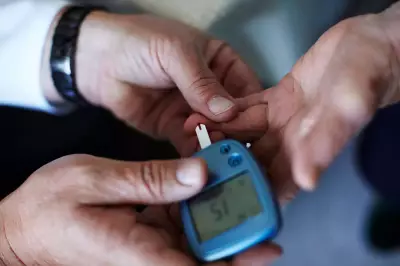
Silent prediabetes or undiagnosed diabetes can damage blood vessels over time, doubling stroke risk in young adults. Metabolic syndrome—a cluster of conditions including belly fat, high blood sugar, and elevated blood pressure—fuels a significant portion of strokes in millennials without obvious symptoms. An A1C level over 5.7% or fasting glucose above 100 mg/dL can be an early warning sign. Early intervention with weight management and medication can reverse many cases.

What Can You Do? Prevention is Key
Dr Kumar and experts emphasize proactive measures. Get comprehensive health screenings that go beyond basic tests, especially if you have a family history of stroke, heart disease, or clotting disorders. Maintain a heart-healthy diet rich in omega-3s, stay well-hydrated, and avoid sitting for prolonged periods—take a short walk every hour, particularly during long workdays or flights.
Most importantly, stay alert to stroke symptoms (remember FAST: Face drooping, Arm weakness, Speech difficulty, Time to call emergency). A stroke can be effectively treated if medical help is sought within the first few hours of symptom onset. Healthy habits are your first line of defense, but awareness of these hidden risks could be what saves a life.