You probably think your liver is fine. You don't drink much, you're not overweight, and you feel okay most days. So why would you worry about it? The thing is, your liver might be silently filling with fat right now, and you'd have no idea it was happening. And the culprit isn't alcohol. It's not even being overweight. It's something sitting in your kitchen cabinet that you probably consume almost every day without thinking twice about it.
The Hidden Danger of Sugar
Sugar is everywhere. Not just in candy and soda, but in the orange juice you pour in the morning, the flavored yogurt you think is healthy, the granola you're convinced is nutritious, the breakfast cereal with the health halo on the box. And according to liver specialists, this hidden sugar consumption is driving one of India's fastest-growing health crises, a condition most people have never even heard of.
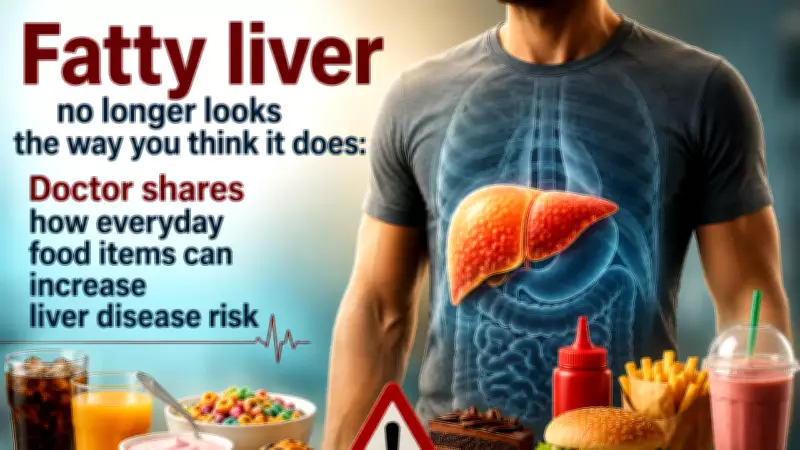
"The liver processes almost everything we eat and drink," says Dr. Shaleen Agarwal, a specialist in Solid Organ Transplantation and HPB Surgery at Amrita Hospital, Faridabad. "When fructose and sucrose intake becomes excessive, particularly fructose found in soft drinks, packaged juices, bakery products, breakfast cereals, flavoured yoghurts, and processed snacks, the liver converts that extra sugar into fat. Over time, this fat begins accumulating inside liver cells."

The condition is called fatty liver disease. More formally, doctors now call it Metabolic Dysfunction-Associated Steatotic Liver Disease, or MASLD. And the numbers are genuinely alarming.
Alarming Statistics in Urban India
According to studies published in the Journal of Clinical and Experimental Hepatology, somewhere between 30 to 38 percent of urban Indians may already have fatty liver disease. That's not a small percentage. That's roughly one in every three people walking around a city. Among people who are overweight or have Type 2 diabetes, the numbers jump to beyond 60 percent. But here's what's really unsettling: many of these people are non-drinkers. Many are relatively young.
This isn't a disease of alcoholics anymore, which is what people assume when they hear "liver damage." This is affecting regular people. People with normal BMIs. People who exercise. People who think they're taking care of themselves. Because they're not drinking excess alcohol, they assume their liver is fine. They have no reason to suspect otherwise.
"The danger is that fatty liver disease often develops silently for years," Dr. Agarwal explains. "Early symptoms may be vague—fatigue, bloating, mild abdominal discomfort, or unexplained weight gain. By the time liver scarring develops, the damage may become difficult to reverse."
A study published in JAMA Network Open looked at sugar consumption and liver health. The findings were straightforward and slightly terrifying: people who drank one or more sugary beverages daily had significantly higher liver fat accumulation compared to those who consumed them occasionally. That's not someone drowning in soda we're talking about. That's one drink a day. One juice. One sweetened coffee. That's enough to make a difference.
This isn't theoretical. This is a pathway that doctors are watching happen in real time.
Why Sugar Is Different
Your body can handle some sugar. It's designed to. But there's a difference between some and the amount most Indians are now consuming. Data from the National Family Health Survey (NFHS) and dietary trend analyses show increasing dependence on processed foods and sweetened beverages, particularly among urban populations and adolescents. The trends are moving in the wrong direction.
The problem is fructose specifically. Fructose is processed differently by the liver than other sugars. When you eat glucose, your entire body can use it. Your muscles can use it. Your brain can use it. Your cells can process it. But fructose? The liver has to process almost all of it. And when there's too much, the liver can't keep up. It starts converting it to fat as a way of storing energy. That's the mechanism. That's how hidden sugar turns into a fatty liver.

Here's what makes this different from a lot of health problems: your liver can heal. It's actually remarkable at it. If you catch fatty liver disease early, before the serious scarring starts, the liver can recover. Research shows that even a 7 to 10 percent reduction in body weight can significantly reduce liver fat and inflammation. That's not asking you to become a fitness influencer. That's not asking you to transform your entire life. It's asking you to lose enough weight that your body actually responds.
"The encouraging part is that the liver can heal remarkably well in early stages," Dr. Agarwal says. This is the part where prevention actually works. This is the part where changing your habits now prevents problems later.
What This Means for You
The reality is that fatty liver disease is becoming one of the leading reasons for liver transplantation globally. Doctors are now seeing MASLD emerge as a major precursor to cirrhosis, liver failure, and even liver cancer. That sounds dramatic, but it's what's actually happening in hospitals across India and around the world.
But you don't have to be part of that trend. You can rethink what you're drinking. You can read labels on the yogurt you're buying. You can realize that juice isn't as healthy as you thought. You can make different choices starting today. Because the liver is forgiving if you give it a chance. It just needs you to stop loading it with sugar.
Sometimes protecting your health starts with something as simple as rethinking what's inside that daily "healthy" drink or snack. Sometimes it starts with understanding that your liver is already working hard enough without the extra burden.
About the Author
Maitree Baral is a health journalist on a mission: making medical science digestible and healthcare approachable. Covering everything from wellness trends to life-changing medical research, she turns complex health topics into engaging, actionable stories readers can actually use.