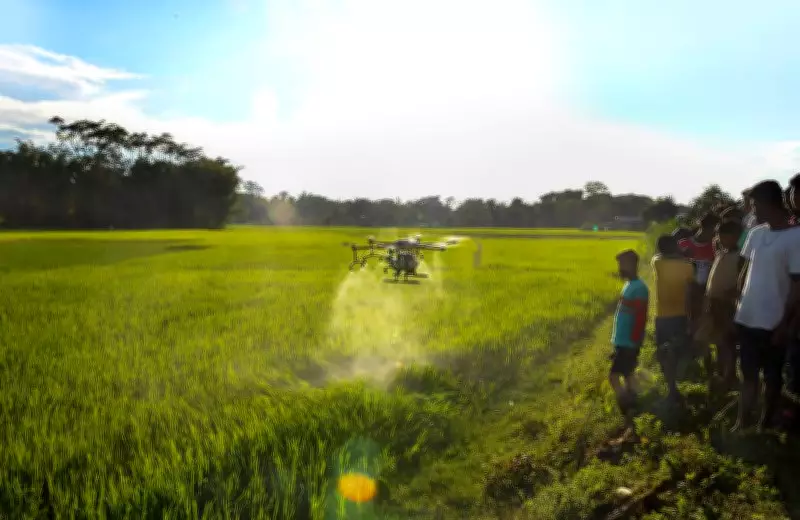
Concerns have escalated over Himachal Pradesh's increasing dependence on highly hazardous pesticides (HHPs), with environmentalists and agricultural experts warning of a looming public health and ecological crisis. In a joint statement, Himalaya Niti Abhiyan coordinator Guman Singh and agricultural researcher Satya Sainath highlighted that the state's success in high-value horticulture has come at a considerable environmental and human cost.
Intensive Farming and Pesticide Overuse
Himachal Pradesh, known as India's 'fruit bowl', has witnessed a rapid expansion of apple cultivation, particularly in Shimla, Kullu, and Kinnaur districts, alongside extensive off-season vegetable farming. This intensive farming model relies heavily on chemical pesticides to sustain productivity. According to experts, farmers in apple-growing belts often spray pesticides more than a dozen times per growing season. Studies in Kullu and Shimla have documented widespread health issues among farmers, including severe eye irritation, skin disorders, fatigue, and symptoms of acute pesticide poisoning.
Rising Cancer Rates
The issue has evolved into a broader public health concern. Himachal Pradesh now records the second-highest cancer incidence rate in India, with a cancer mortality rate of 9.5% compared to the national average of 7.7%. The annual growth rate of cancer cases in the state is 2.2%, significantly higher than the national rate of 0.6%. Chief Minister Sukhvinder Singh Sukhu has previously linked the rising cancer burden to excessive pesticide and chemical fertilizer use. Medical experts advocate stricter regulation of hazardous agrochemicals, while institutions like Indira Gandhi Medical College (IGMC) and Himachal Pradesh University are studying pesticide contamination and its health impacts.

Paraquat: A Banned Herbicide Still in Use
Particular concern surrounds the continued use of Paraquat, a highly toxic herbicide banned or severely restricted in over 75 countries. Although its original manufacturer, Syngenta, has ended global production, the chemical remains available in agricultural markets and is still used by farmers.
Ecological Consequences
Experts caution that pesticide impact extends beyond human health. Heavy monsoon rains wash chemical residues into streams and rivers, threatening water quality in a state often called North India's 'water tower'. Research shows excessive pesticide use depletes beneficial soil microorganisms, reduces soil fertility, and increases dependence on chemical fertilizers. The decline of pollinator populations, especially bees, is another warning sign. Many orchardists now rely on rented commercial bee colonies for pollination, raising production costs and reflecting a weakened natural ecosystem.
Call for Action
Environmental groups and researchers urge a phased withdrawal of the most hazardous pesticides, wider adoption of Integrated Pest Management (IPM) practices, and stronger integration with the Prakritik Kheti Khushhal Kisan Yojana (PK3Y). They argue that reducing dependence on HHPs is critical to safeguarding public health, protecting biodiversity, preserving water resources, and ensuring the long-term sustainability of Himachal Pradesh's agricultural economy.