Health Concerns Over Hot Food in Plastic Packaging in Amritsar
In Amritsar, piping hot dishes such as chole with puri and bhature, shahi paneer, dal makhni, and chicken curry are commonly packed in plastic envelopes for takeaway. While this practice preserves taste and offers convenience, experts are raising alarms about potential health risks when hot food comes into direct contact with plastic.
Activist Highlights Waste Management Issues
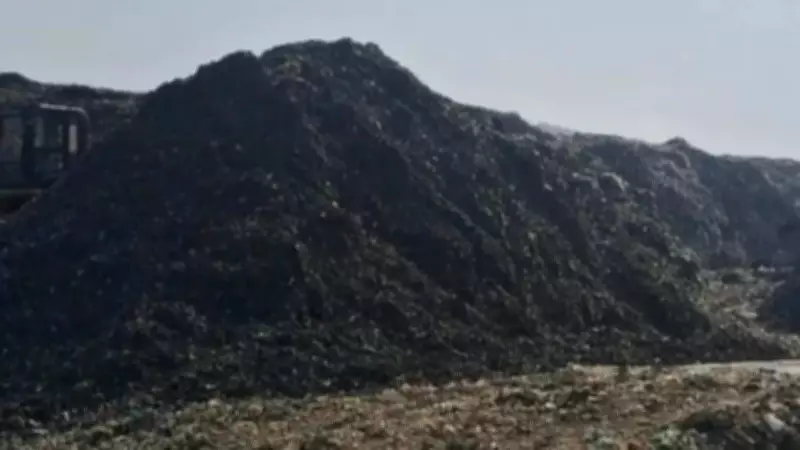
Sandeep Kurl, a social activist who has persistently raised concerns about garbage dumps in Amritsar, particularly the Bhagatanwala dump, noted that even hot tea, boiling milk, and karah (sweet pudding) are packed by tea joints and halwais in poly envelopes. These envelopes not only leave harmful traces in the eatables but also end up mixed with other garbage, contributing to fires at dumps.
Under the Solid Waste Management Rules 2016, households, markets, and bulk generators are required to separate waste into wet, dry, hazardous, and sanitary categories. However, in practice, most people do not follow this. Kurl added that private companies engaged in door-to-door collection and transportation are often paid on a per-tonne basis. Since mixed waste is heavier due to moisture content in kitchen waste and sludge, while dry waste is lighter, contractors have a financial incentive to prefer and transport mixed, unsegregated waste to increase recorded weight and earn more money.

Medical Expert Warns of Cancer Risk
Medical Oncologist Dr. Jagdeep Singh explained that plastic is made of complex carbon compounds that persist in the environment and can accumulate in the human body through the food chain. “These particles do not disappear. They keep building up in the body over time and may damage cells. Such damage can lead to mutations and increase the risk of several diseases, including cancer,” he said.
Dr. Singh noted that cancer cases have been steadily rising in recent years, and increasing plastic pollution along with the entry of microplastics into the food chain have emerged as growing concerns. He stressed that reducing plastic exposure is an important preventive step for a healthier life. He further explained that micro and nanoplastics can enter the bloodstream and be absorbed directly into cells. Once inside, they induce oxidative stress, causing physical damage to cellular structure and DNA, which can initiate the process of carcinogenesis.
Municipal Corporation's Response
Commissioner of Amritsar Municipal Corporation, Bikramjit Singh Shergill, stated that the first step to segregating garbage lies with the garbage generator, which includes wet and dry garbage as well as plastic envelopes. “Dry waste is money as it is sold after segregation,” he said, adding that if it is not segregated, the corporation has five Material Recovery Facilities where it can be processed. He also mentioned that the corporation plans to install an Integrated Solid Waste Management plant in the near future to minimize the environmental impact of all types of solid waste.