How to Identify an Eastern Brown Snake Safely
The Eastern brown snake is one of the most venomous snakes in Australia, commonly found in rural, suburban, and grassy habitats across the continent. Wildlife experts report that sightings increase during warm seasons as snakes become more active in search of food, shelter, and sunlight. Despite being highly dangerous, experts strongly advise against approaching this animal, as it can cause serious harm.
Slender Body Shape
Eastern brown snakes are known for their relatively slender and agile bodies. Unlike pythons and other heavy-bodied snakes, they have a long, slim physique. Wildlife experts note that these snakes typically reach up to 1.5 meters in length, but their slender appearance may lead people to underestimate the threat. Therefore, it is crucial not to approach any unknown snake, regardless of its shape.
Color Variations
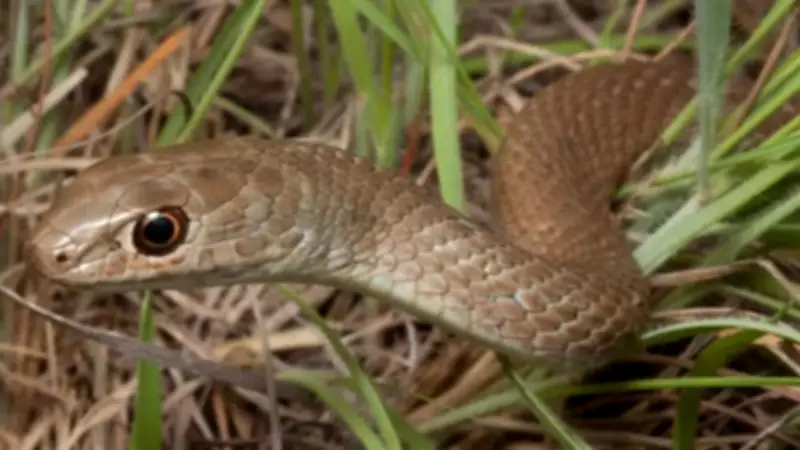
Contrary to common belief, Eastern brown snakes are not always brown. Their coloration can range from light to dark brown, grey, olive, and even black. Variations also occur based on the snake's age and lighting conditions. The upper body is usually darker than the belly, which is often cream-colored. Wildlife experts caution that relying solely on color to identify the species is unreliable and potentially dangerous.

Narrow and Round Head
The head of an Eastern brown snake is narrow and rounded, blending seamlessly with the neck. This differs from vipers and other snakes that have a distinct triangular head. Their eyes are moderate in size and appear alert. However, experts warn that head shape can change when the snake feels threatened, making it risky to identify based on this feature alone. Never move closer to confirm this trait.
Quick Reactions
Eastern brown snakes are highly alert and react swiftly to movement. They generally prefer to avoid humans and will escape if possible. However, sudden movements, attempts to capture them, or accidental disturbance may trigger a defensive response. Wildlife specialists advise staying calm and retreating slowly without provoking the animal.
Preferred Habitats
These snakes favor dry grasslands, farmlands, woodlands, and sheds. They are also common in suburban areas due to the abundance of mice and rats, which serve as prey along with birds and lizards. During summer, they often seek shaded areas near human habitation. Being aware of these habitats can help you avoid encounters.
What to Do If You See a Snake
Only trained professionals should handle snakes. Even expert snake catchers require specialized equipment. If you spot a snake in your backyard or elsewhere, keep your distance and contact wildlife rescuers immediately. Staying calm increases your chances of a safe outcome. Never attempt to catch, kill, or relocate a venomous snake on your own.
Disclaimer
This article is for general informational and wildlife awareness purposes only. Snake characteristics and appearances may vary based on age, environment, and region. Always seek professional assistance when dealing with venomous snakes.