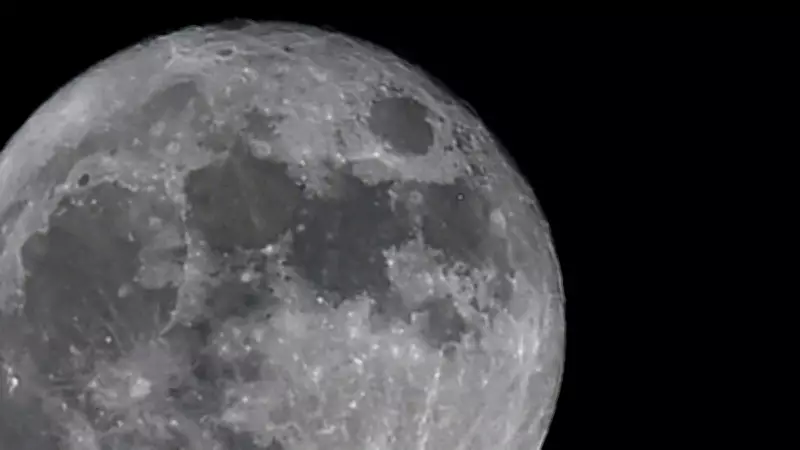
In a significant breakthrough, the Indian Space Research Organisation (ISRO) has detected possible subsurface ice on the Moon using data from its Chandrayaan-2 mission. The analysis concentrated on 'doubly shadowed craters,' which are unique craters located inside permanently shadowed regions (PSRs) of the Moon. These regions never receive direct sunlight, making them ideal for preserving water ice.
What Are Doubly Shadowed Craters?
Doubly shadowed craters are depressions within PSRs that are shielded not only from the Sun but also from secondary illumination sources. This double shadowing creates extremely cold environments where ice can remain stable for billions of years. By studying these features, scientists can better understand the distribution and abundance of lunar water.
Implications for Future Missions
The discovery of subsurface ice has major implications for future lunar exploration. Water ice can be used for drinking, breathing, and producing rocket fuel, reducing the need for costly Earth resupply. This finding supports ISRO's plans for future missions, including the Chandrayaan-3 and potential crewed landings. It also aligns with global efforts by NASA, ESA, and other space agencies to establish a sustainable human presence on the Moon.

The study utilized data from the Chandrayaan-2 orbiter's imaging and radar instruments. Researchers analyzed thermal and radar signatures to differentiate between surface and subsurface ice. The results suggest that ice may exist just below the surface in certain PSRs, providing a potentially accessible resource.
ISRO's findings contribute to a growing body of evidence that the Moon holds more water than previously thought. This could transform how we approach lunar colonization and resource utilization. The agency continues to analyze data and plans to conduct further studies to confirm the extent and depth of the ice deposits.