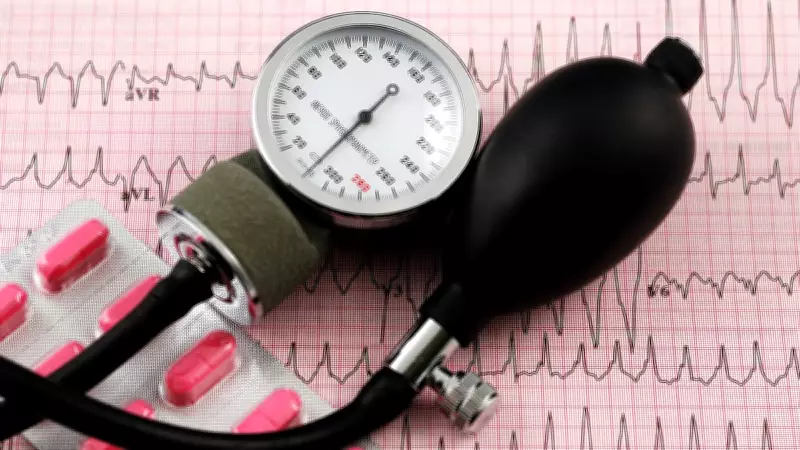
Hypertension, traditionally considered a condition of the elderly, is increasingly being diagnosed in younger populations, prompting health experts to call for routine blood pressure screening starting from early adulthood. According to medical professionals, the shift in age demographics is alarming because high blood pressure frequently remains asymptomatic until it causes severe damage.
Silent Threat: No Symptoms Until Complications
Dr. Anjali Sharma, a cardiologist at the All India Institute of Medical Sciences, stated, "One of the biggest concerns is that high blood pressure rarely causes symptoms until complications develop. Many young individuals are unaware they have hypertension until they suffer a heart attack, stroke, or kidney failure." She emphasized that regular monitoring is the only way to detect the condition early.
Recent data from the Indian Council of Medical Research indicates that nearly 25% of adults under 40 now have elevated blood pressure readings, a sharp increase from a decade ago. Lifestyle factors such as poor diet, lack of exercise, chronic stress, and increased salt consumption are cited as primary drivers.

Experts Call for Routine Screening from Age 18
The Indian Society of Hypertension has updated its guidelines, recommending that all individuals aged 18 and above have their blood pressure checked at least once a year, even if they feel healthy. Dr. Rajesh Kumar, a public health expert, noted, "Early detection allows for lifestyle modifications and, if necessary, medication to prevent long-term organ damage."
He added that hypertension is a leading cause of premature death worldwide, and India bears a significant burden. The World Health Organization estimates that 1.28 billion adults aged 30–79 globally have hypertension, with two-thirds living in low- and middle-income countries.
Lifestyle Changes as First Line of Defense
Doctors stress that for mild hypertension, lifestyle interventions can be highly effective. Reducing sodium intake, increasing physical activity, maintaining a healthy weight, and managing stress are key strategies. However, for those with persistently high readings, medication may be necessary.
The article originally published on 11 July 2026 highlights the urgency of addressing this growing public health challenge. Experts urge both individuals and policymakers to prioritize hypertension screening and management to avert a looming health crisis.