

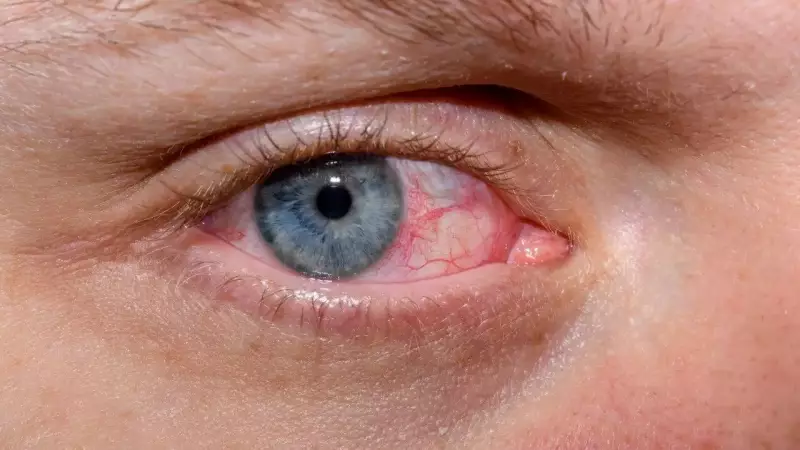
While high blood pressure is commonly linked to heart attacks and strokes, its silent assault on eye health often goes unnoticed. Medical experts warn that vision problems can serve as one of the earliest red flags for uncontrolled hypertension, a condition affecting millions across India.
The Silent Link Between Hypertension and Your Eyes
Hypertension, or high blood pressure, occurs when the force of blood against artery walls remains consistently too high. This is measured by two numbers: systolic (top number) and diastolic (bottom number). A reading persistently above 130/80 mm Hg is considered high. This excessive pressure strains the entire circulatory system, including the dense network of delicate, tiny blood vessels that supply the retina and optic nerve.
Over time, this sustained pressure can damage these fragile structures. The eyes offer a unique window into vascular health, often revealing the effects of hypertension before other symptoms manifest. This makes regular eye examinations a critical tool not just for vision care, but for overall cardiovascular monitoring.

Warning Signs: What Your Eyes Reveal About Your Blood Pressure
Often, hypertension presents no obvious symptoms until significant damage has occurred. However, an ophthalmologist can detect early signs during a comprehensive eye exam, even before a patient experiences vision changes. Key indicators of hypertensive damage in the eyes include:
- Narrowed or twisted retinal arteries.
- Bleeding or fluid leakage from damaged vessels.
- Swelling of the optic nerve.
- Cotton wool spots caused by reduced blood flow.
- Altered retinal vessel patterns, a condition known as hypertensive retinopathy.
When symptoms do appear, they may include blurred or double vision, distorted sight, swollen eyes, or the appearance of burst blood vessels. Sudden vision loss is a medical emergency requiring immediate attention.
Serious Eye Complications from Uncontrolled Hypertension
Left unchecked, high blood pressure can lead to severe and potentially irreversible eye conditions. The complications extend beyond hypertensive retinopathy and may involve:
- Macular Edema: Fluid buildup in the central part of the retina (macula), causing swelling and distorted vision.
- Retinal Artery or Vein Occlusion: A blockage in the blood vessels of the retina, akin to a stroke in the eye.
- Retinal Detachment: Where the retina pulls away from its supportive tissue.
- Ischemic Optic Neuropathy: Reduced blood flow damaging the optic nerve.
- Permanent vision loss or blindness in severe, prolonged cases.
Hypertension also exacerbates the risk of eye complications related to other conditions, such as diabetes.
Protecting Your Sight: Prevention and Management
The most effective strategy to prevent hypertension-related eye damage is to control blood pressure through a combination of medical treatment and lifestyle modifications. Key steps include:
- Regular Monitoring: Get your blood pressure checked routinely and undergo comprehensive, dilated eye exams annually, especially if you have risk factors.
- Lifestyle Changes: Adopt a balanced, low-sodium diet rich in vegetables, fruits, and whole grains. Engage in at least 30 minutes of moderate exercise most days. Limit alcohol and quit tobacco.
- Stress Management: Incorporate relaxation techniques, mindfulness, and ensure adequate sleep.
- Medication Adherence: If prescribed antihypertensive drugs, take them consistently as directed by your doctor.
For advanced eye damage, treatments like laser therapy, intraocular injections, or surgery may be necessary to manage bleeding, swelling, or blockages.
Understanding that high blood pressure is more than a heart issue is the first step toward preserving your vision. By prioritising blood pressure control and regular eye check-ups, individuals can significantly reduce their risk of serious complications, safeguarding not only their sight but their overall long-term health.

Disclaimer: This article is for informational purposes only and is not a substitute for professional medical advice. Always consult a qualified healthcare provider or eye specialist for diagnosis and treatment.





