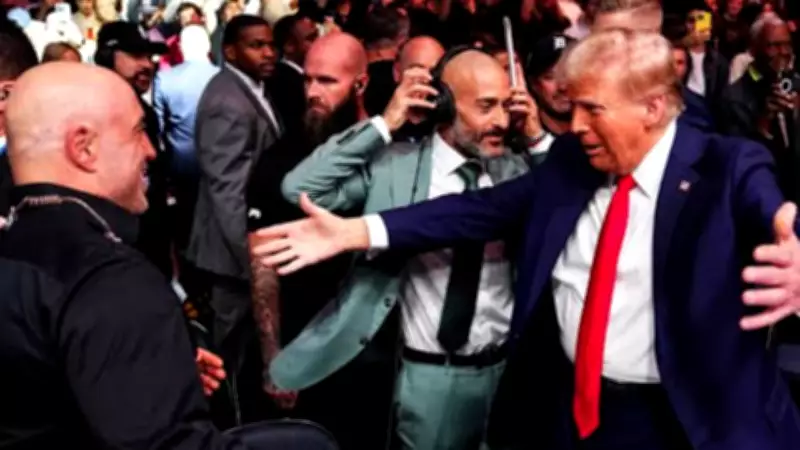
Ibogaine's Political Spotlight: Trump-Rogan Push Sparks National Debate on Psychedelic Treatment
The controversial psychedelic substance ibogaine has suddenly surged back into the national spotlight, creating a unique intersection of health policy, traditional medicine, and political influence. This renewed attention follows high-profile discussions between influential podcaster Joe Rogan and former President Donald Trump, propelling what was once an obscure West African plant extract into mainstream political discourse.
The Rogan-Trump Connection That Catalyzed National Attention
The ibogaine conversation gained significant momentum when Joe Rogan shared detailed information about the substance's potential therapeutic applications with Donald Trump. According to reports, Rogan specifically highlighted ibogaine's possible benefits for military veterans struggling with post-traumatic stress disorder and addiction issues. Trump reportedly responded with immediate interest, setting in motion a series of public statements and policy actions that would bring ibogaine to the forefront of national discussion.
During a subsequent White House event, Trump made his interest publicly known with a characteristically informal remark: "Can I have some, please? I'll take some. I don't have time to be depressed." This seemingly casual comment preceded more substantive policy action, as Trump signed an executive order designed to accelerate research into ibogaine and similar psychedelic treatments. The order specifically aimed to streamline FDA review processes and allocate funding for comprehensive studies targeting serious mental health conditions.

Ibogaine's Complex Profile: Traditional Roots and Modern Controversies
Ibogaine itself is not a new discovery. Derived from the root bark of the Tabernanthe iboga plant native to West Africa, the substance has been used for generations in traditional spiritual ceremonies among indigenous communities. In contemporary medical contexts, researchers have been investigating ibogaine's potential to address challenging mental health conditions, particularly treatment-resistant addiction and severe post-traumatic stress disorder.
The political momentum has attracted support from diverse quarters. Health Secretary Robert F. Kennedy Jr. has publicly endorsed the push for ibogaine research, while former Navy SEAL Marcus Luttrell provided powerful personal testimony, stating unequivocally: "It absolutely changed my life." These endorsements have added weight to arguments for reconsidering ibogaine's legal status and therapeutic potential.
Significant Safety Concerns and Regulatory Challenges
Despite growing political and anecdotal support, ibogaine faces substantial medical and regulatory hurdles. The substance remains classified as a Schedule I controlled substance in the United States, meaning it is considered to have no accepted medical use and a high potential for abuse. This classification has severely limited domestic research opportunities, forcing many patients to seek treatment at specialized clinics in Mexico where ibogaine administration can be medically supervised.
The primary safety concern surrounding ibogaine involves its documented cardiotoxicity. Researchers from Johns Hopkins University, including prominent scientist Frederick Barrett, have emphasized the significant risks: "It's been incredibly difficult to study ibogaine in the U.S. because of its known cardiotoxicity." Medical literature contains reports of dangerous cardiac arrhythmias and even fatalities associated with ibogaine use, creating a complex risk-benefit equation that researchers and policymakers must carefully navigate.
The Current Landscape: Hope, Risk, and Political Momentum
Ibogaine currently occupies a paradoxical position in American discourse. On one hand, it represents potential hope for individuals, particularly military veterans, who have found conventional treatments ineffective for severe PTSD and addiction. On the other hand, its documented cardiac risks and current illegal status create substantial barriers to widespread adoption or even comprehensive research.

The convergence of political influence from figures like Trump and Rogan, combined with compelling personal testimonies and legitimate medical concerns, has created a national conversation that bridges typically separate spheres of health policy and political discourse. As research initiatives potentially accelerate under new federal directives, the coming months may determine whether ibogaine transitions from controversial psychedelic to accepted therapeutic option, or remains mired in regulatory and safety controversies that have characterized its history in Western medicine.