Jaundice Outbreak Strikes Mhow Amid Suspected Water Contamination
In a concerning health development, the town of Mhow in Madhya Pradesh has reported a significant outbreak of jaundice, with 22 individuals confirmed to be affected by the illness. This alarming situation has prompted immediate action from local health authorities, who are investigating the root cause of the spread. Preliminary findings strongly point towards water contamination as the primary factor behind this sudden surge in cases, raising serious public health concerns in the region.
Hospital Admissions and Health Response
Among the 22 detected cases, a notable number of patients have been admitted to hospitals for urgent medical care and treatment. Health officials have swiftly mobilized resources to manage the outbreak, setting up special wards and deploying medical teams to provide necessary support. The hospital admissions highlight the severity of the condition, with patients exhibiting symptoms such as yellowing of the skin and eyes, fatigue, and abdominal pain, which are characteristic of jaundice.
The local healthcare system is on high alert, working round-the-clock to monitor the situation and prevent further transmission. Authorities have emphasized the importance of early diagnosis and treatment to mitigate complications, urging residents to seek medical attention if they experience any symptoms. This proactive approach aims to contain the outbreak and ensure the well-being of the community.

Investigation into Water Contamination
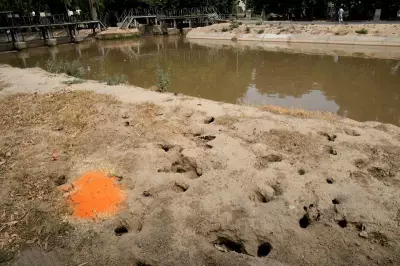
The suspected link to water contamination has led to a thorough investigation by environmental and health agencies. Teams are collecting water samples from various sources in Mhow, including municipal supplies and local wells, to test for pollutants and pathogens that could cause jaundice. Initial reports suggest that the contamination may be due to improper sewage disposal or leakage into water lines, a common issue in many urban and semi-urban areas that can lead to serious health hazards.
In response, authorities have issued advisories for residents to boil drinking water and avoid using contaminated sources until further notice. Public awareness campaigns are being conducted to educate the community on hygiene practices and the risks associated with unsafe water. This multi-pronged strategy is crucial to addressing the immediate crisis and preventing future occurrences.
Broader Implications and Preventive Measures
This jaundice outbreak in Mhow underscores the ongoing challenges related to water safety and public health infrastructure in parts of India. Waterborne diseases like jaundice, often caused by hepatitis viruses or bacterial infections, can spread rapidly if not controlled, leading to widespread illness and strain on healthcare facilities. The incident serves as a stark reminder of the need for robust water management systems and regular monitoring to ensure safe drinking water for all.
To combat such outbreaks, experts recommend several preventive measures:
- Regular testing of water sources for contaminants and pathogens.
- Improving sanitation and sewage disposal systems to prevent cross-contamination.
- Promoting public health education on the importance of clean water and hygiene.
- Ensuring timely medical interventions and vaccination programs where applicable.
As the investigation continues, authorities are committed to identifying the exact source of contamination and implementing corrective actions. The focus remains on providing adequate medical care to those affected and safeguarding the health of the broader population in Mhow and surrounding areas.