

Kolkata Grapples with Widespread Respiratory Illness Outbreak
A significant outbreak of cough and cold has swept through Kolkata, affecting thousands of residents with symptoms including sore throat, choked voice, and fever. This health crisis has been directly attributed to a fresh wave of viruses unleashed by unpredictable temperature fluctuations over the past week.
Weather Instability Drives Rapid Infection Spread
With minimum temperatures oscillating between 13°C and 15°C since last Sunday, the erratic chill in the air has created ideal conditions for the swift transmission of infections. Medical experts confirm that the principal symptoms manifest as an obstinate cough, chest congestion, and low-grade fever. The concerning spread is expected to persist until the mercury stabilizes, according to healthcare professionals across the city.
Hospital Systems Under Pressure
Dr. Soumya Sengupta, Head of Pulmonology at Charnock Hospital, reported that while their respiratory unit remains fully occupied, there is now a significant rush of patients at the Outpatient Department presenting with severe cough and cold symptoms. Several cases have required hospitalization. The sudden temperature increase prompted many individuals to discard warm clothing prematurely, leading to infections caused by the stark temperature difference, explained Dr. Sengupta.

He further cautioned that individuals with pre-existing conditions such as Chronic Obstructive Pulmonary Disease (COPD) or asthma face heightened risks, particularly as pollution levels remain elevated despite the temperature rise. Pollutants tend to circulate at lower atmospheric levels for extended periods during winter months, easily infiltrating the respiratory system. As the mercury fails to rise significantly, the situation may deteriorate further, he added.
Viral Activation and Respiratory Impact
Dr. Sauren Panja, Intensivist at RN Tagore International Institute of Cardiac Sciences, clarified that the sudden temperature increase following a prolonged chilly spell has activated various viruses. These include rhinovirus, metapneumovirus, and respiratory syncytial virus, all known to cause infections that coincide with temperature fluctuations.
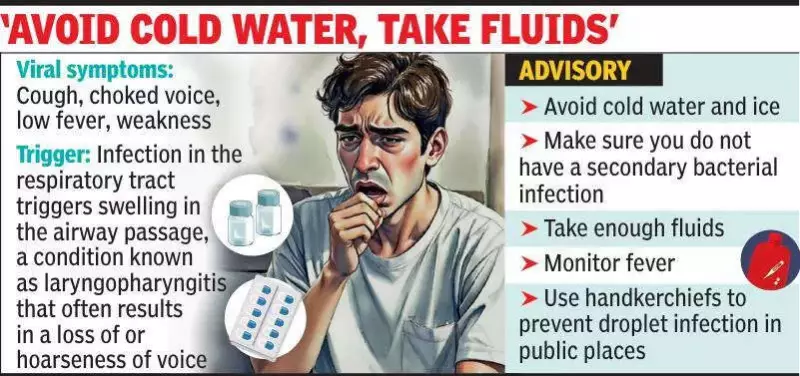
These viruses primarily cause upper respiratory tract infections, with cough and fever as hallmark symptoms, stated Dr. Panja. Infection in the respiratory tract triggers swelling in the airway passage, a condition medically termed laryngopharyngitis, which results in voice loss or hoarseness.
Escalating Pulmonary Concerns
Doctors across Kolkata have expressed concern that respiratory viruses remain highly active, potentially leading to a further surge in pulmonary illnesses. Dr. Sayan Chakrabarty, Infectious Diseases Physician at Manipal Hospital, reported a notable increase in cases of haemophilus pneumonia, which proved severe for several patients in recent days, necessitating Intensive Care Unit admissions.
Streptococcus pneumoniae infections are also on the rise, Dr. Chakrabarty noted. This trend will likely continue as long as temperature fluctuations persist.
Allergens and Bacterial Complications
According to Dr. Bhaskar Narayan Chowdhury, Chief Microbiologist at Peerless Hospital, many patients are experiencing exacerbations triggered by allergens that penetrate the lungs alongside pollutants. Individuals with existing lung conditions or airway diseases are particularly vulnerable, he emphasized.
Dr. Chowdhury confirmed a fresh surge in viruses such as metapneumovirus, rhinovirus, and para-influenza, alongside pneumonia-triggering bacteria. Healthcare facilities have even treated a swine flu patient and several non-Covid coronavirus cases, highlighting the diverse nature of the current outbreak.
Pediatric Impact and Recovery Patterns
Children have not been spared from the outbreak, though most pediatric infections are moderate with relatively quick recovery times. Dr. Shantanu Ray, a noted pediatrician, observed that very young children have been affected, while teenagers appear more prone to infection due to increased outdoor exposure.

The symptoms in children mirror those in adults, with upper respiratory tract infection serving as the primary trigger, Dr. Ray explained. As pollution levels continue to rise, more children could be affected in the coming weeks.
Medical Recommendations and Precautions
Doctors unanimously advise against self-medication with antibiotics unless specifically prescribed by a healthcare professional. Dr. Ray recommended that anti-allergic drugs, symptomatic medicines, and regular gargling should generally suffice for managing symptoms. This guidance aims to prevent antibiotic resistance and ensure appropriate treatment for viral infections.
The collective medical advice underscores the importance of protective measures, including maintaining warmth during temperature fluctuations and minimizing exposure to pollutants, to curb the spread of infections until weather conditions stabilize.
