

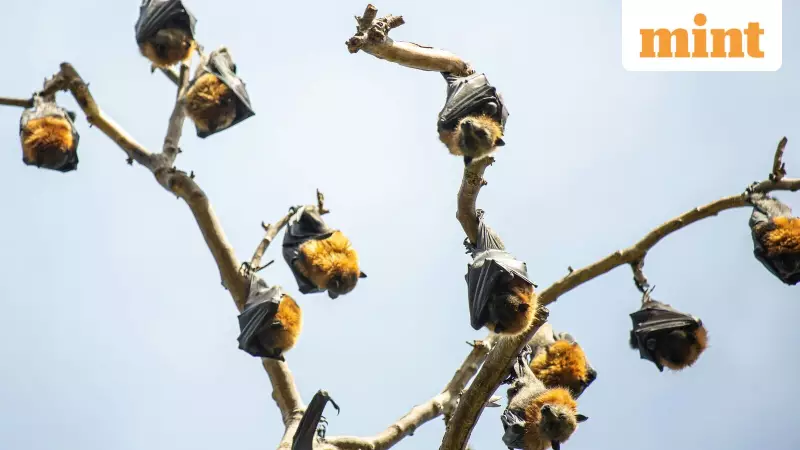
Kolkata Zoo Bats Undergo Nipah Virus Testing Amid West Bengal Health Scare
In response to growing concerns over a potential Nipah virus threat, bats at Kolkata's renowned Alipore Zoo are currently undergoing comprehensive RT-PCR testing to rule out any infection. This precautionary measure comes just days after two health workers in West Bengal tested positive for the deadly virus, heightening vigilance across the state.
Testing Protocol at Alipore Zoo
A senior official from the West Bengal Forest department confirmed on Saturday that a specialized team from the National Institute of Medical Research collected blood and swab samples from the zoo's bat population over two consecutive days—Thursday and Friday. The team has since completed the testing process and departed the premises, as reported by news wire PTI.
Earlier this month, two healthcare professionals at a private hospital in Barasat, located in North 24 Parganas district, were diagnosed with Nipah virus infection. This development has prompted health authorities to intensify surveillance and preventive actions to curb any possible outbreak.

How Does Nipah Virus Spread to Humans?
Understanding the transmission pathways of Nipah virus is crucial for public health safety. According to the Centers for Disease Control and Prevention (CDC), individuals can contract the virus through several routes:
- Close contact with infected persons: Exposure to body fluids of someone infected with Nipah virus.
- Direct contact with infected animals: Particularly bats or pigs, which are known carriers.
- Consumption of contaminated food or drinks: Such as fruit or raw date palm sap that has been soiled by infected animals.
The World Health Organization (WHO) identifies fruit bats of the Pteropodidae family as the natural reservoir hosts of Nipah virus. When the virus jumps from an animal to a human, it is termed a spillover event, which often initiates outbreaks in communities.
Recognizing Nipah Virus Symptoms
Nipah virus infection manifests in a spectrum from mild illness to severe, life-threatening conditions. In critical cases, it can lead to encephalitis—swelling of the brain—and even prove fatal.
Early Signs of Infection
The incubation period for Nipah virus typically ranges from 4 to 14 days, though instances as long as 45 days have been documented by WHO. This means symptoms usually emerge within two weeks of exposure. Early indicators often include:
- Fever
- Headache
- Cough
- Sore throat
- Difficulty breathing
Severe Symptoms and Complications
In advanced stages, patients may experience neurological issues such as brain swelling or encephalitis. Symptoms at this level comprise:
- Confusion
- Extreme drowsiness
- Seizures
The CDC notes that individuals exhibiting these neurological signs can deteriorate rapidly, potentially slipping into a coma within 24 to 48 hours.
Essential Precautions to Mitigate Risk
Caregivers and healthcare workers attending to Nipah patients are at elevated risk of infection. For residents or travelers in areas where Nipah outbreaks have occurred, adopting the following preventive measures is advised:
- Wash hands frequently with soap and water.
- Avoid contact with bats, especially flying foxes, and sick pigs.
- Steer clear of areas where bats roost.
- Do not touch objects or surfaces potentially contaminated by bats.
- Refrain from consuming raw date palm sap.
- Avoid eating fruits that may have been bitten or soiled by bats.
- Prevent direct contact with blood or bodily fluids of infected individuals.
As health authorities in West Bengal monitor the situation closely, public awareness and adherence to these guidelines are paramount to preventing further spread of Nipah virus.

