

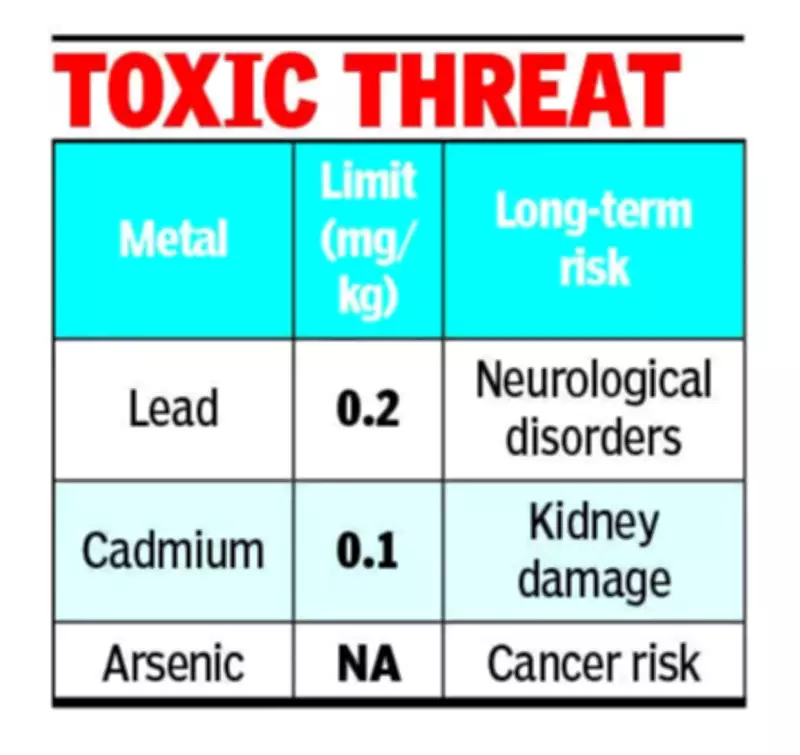
Madurai: The lead or cadmium in your bajji (fritter) may not be coming from the flour mill, but from the field where the Bengal gram was grown, Madurai flour millers have told the Food Safety and Standards Authority of India (FSSAI).
Millers Seek Policy Review
The Madurai District Maavu Manufacturer’s Sangam has sought a policy review of FSSAI’s May 19 notification, which brings besan flour under heavy metal contaminant limits from December 2026. The association argued that the rule may penalize millers for contamination that occurs before the grain reaches them.
Besan is made by dehusking, splitting, and milling Bengal gram. Millers emphasized that they do not add chemicals, preservatives, or additives. Their argument is straightforward: if the crop has already absorbed lead or cadmium from soil, groundwater, fertilizers, pesticides, industrial wastewater, or sewage effluent, milling cannot remove these contaminants.

Consumer Impact
For a common consumer, the issue is clear: once a plant absorbs heavy metals, they become part of the grain. Washing, cleaning, or grinding may remove surface dust, but not contaminants already inside the grain. The association stated that flour mills lack the technology to filter out lead or cadmium from besan during mechanical milling.
Association secretary P J Manoharan explained that the rule places the burden at the wrong point. “For example, how can tea shops be held responsible for excess chemicals in milk? We are not adding anything to besan. We also do not have the technology to remove heavy metals already present in the raw material,” Manoharan said.
Compliance Pressure
The millers noted that FSSAI previously applied such limits to whole pulses. By extending them to besan, the regulator has put flour millers, snack makers, and ready-to-eat food producers under compliance pressure. If samples exceed the limit, millers fear stock rejection, seizure, recall, and penalties.
Suggested Solutions
The association stated it supports food safety but wants enforcement to begin where contamination starts—at the farm. It has asked FSSAI to frame standards based on soil and environmental conditions, collaborate with agriculture departments, monitor crops at the cultivation stage, and introduce certification for raw Bengal gram.
It also sought exemption for millers who produce 100% mechanically milled products without altering the raw material.






