

High blood pressure is checked at every clinic visit. It is routine, expected, and taken seriously. Obesity, on the other hand, often slips by as a “lifestyle issue,” something to fix later. That gap is now dangerous.
India's Obesity Crisis
India is in the middle of a shift. According to the National Family Health Survey (NFHS-5), nearly one in four adults is overweight or obese. In some states, the number touches 50 percent. What stands out is not just the scale, but the spread. Rural India is no longer protected. Over 20 percent of rural women and 19 percent of rural men now fall into this category.
This is not about appearance. It is about risk, silent, steady, and deeply tied to how the body functions.

Obesity Is No Longer a Side Issue
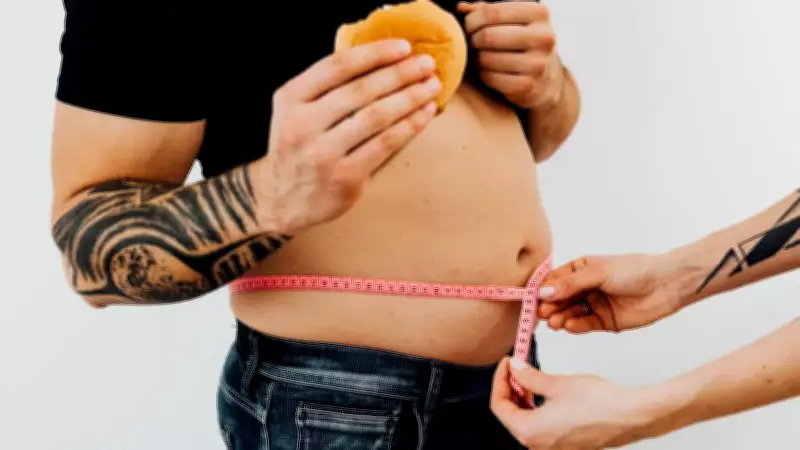
There was a time when obesity was seen as a byproduct of comfort. Today, it sits at the centre of major diseases. That specific fat, around the waist, is the most harmful. It raises the risk of diabetes, heart disease, high cholesterol, and yes, even high blood pressure itself.
At the same time, global data from the World Obesity Federation shows a worrying trend: obesity rates have doubled in 15 years and tripled in 30. This is not a slow problem anymore. It is accelerating. And here is the part often missed: obesity does not act alone. It quietly feeds other conditions, making them harder to control.
Why the Modern Lifestyle Is Tipping the Scale
Cities have changed how people eat, move, and rest. Food is cheaper, faster, and often packed with fat, sugar, and salt. Movement has reduced. Screens have replaced steps. The World Health Organization notes that nearly half the global population does not get enough physical activity. In India, affordability adds another layer. The State of Food Security and Nutrition in the World Report (2024) suggests that around 55 percent of Indians cannot afford a healthy diet. So the problem is not just choice. It is access, environment, and habits built over time.
Children are also caught in this cycle. The Global Burden of Disease Study (2017) estimated over 14.4 million obese children in India. Less movement and calorie-dense food have made weight gain easier and faster. Early detection, better awareness, and evolving treatments—from lifestyle changes to advanced surgery—can help manage and prevent long-term complications.
Why Obesity Deserves Routine Screening Like Blood Pressure
Blood pressure checks became routine because they are simple and life-saving. The same logic applies to obesity. A basic measurement, Body Mass Index (BMI) and waist circumference, can flag early risk. Yet, these checks are not standard in most clinics. Early detection matters. It creates a window where small changes can prevent larger problems. It also reduces stigma. When obesity is treated as a medical parameter, not a personal flaw, people respond better. Think of it this way: if high blood pressure is measured every time, why should a major risk factor linked to it be ignored?
Treatment Is Evolving, and It Goes Beyond Dieting
Lifestyle change remains the first line. Balanced meals, regular activity, and sleep still form the foundation. But for many, especially with severe obesity, that may not be enough. Medical science has moved ahead. Bariatric procedures like sleeve gastrectomy and gastric bypass are now safer and more precise. These are not cosmetic fixes. They change how the body regulates hunger and metabolism. The results are not just about weight. They reflect deeper metabolic improvement.
Prevention Is Still the Strongest Tool
Prevention does not begin in a hospital. It begins in daily life. Small patterns matter. Walking instead of sitting. Eating real food instead of processed snacks. Keeping screen time in check. These are not dramatic steps, but they build long-term stability. Public awareness is just as important. When obesity is recognised early, action follows sooner.

Medical Experts Consulted
This article includes expert inputs shared with TOI Health by Dr Ashish Gautam, Principal Director, Robotic and Laparoscopic Surgery, Max Super Speciality Hospital, Patparganj, New Delhi. Inputs were used to explain why obesity is a serious health condition with long-term risks similar to high blood pressure, and why experts stress the need for medical attention and proper management rather than ignoring it or relying on unverified remedies.
About the Author
Aadya Jha is a passionate writer and storyteller who crafts stories that enthrall readers. She explores the basic things with a passion for Lifestyle, illuminating the common.





