

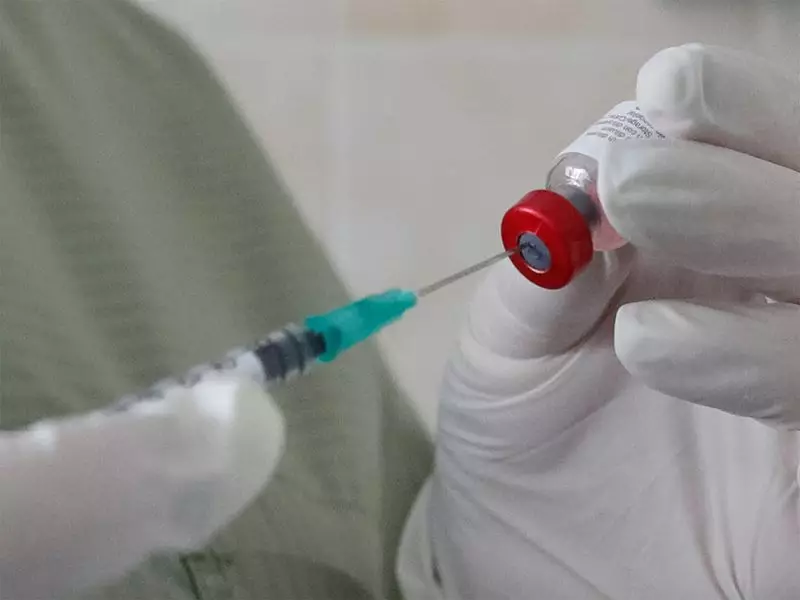
Pakistan Records 40 Poliovirus Environmental Samples in December
Health officials in Pakistan confirmed the detection of poliovirus in 40 environmental samples during December. This finding highlights persistent transmission risks in the country.
Details of the Poliovirus Detection
The samples came from various locations across Pakistan. Environmental surveillance plays a crucial role in monitoring the virus's presence. Authorities collected these samples as part of routine checks.
December's total of 40 positive samples indicates ongoing viral activity. This number reflects the challenges in eradicating polio from the region. Health workers continue their efforts to track and contain the virus.

Implications for Public Health
The detection of poliovirus in environmental samples raises public health concerns. It suggests that the virus remains active in communities. This situation demands increased vigilance and vaccination drives.
Pakistan has been working to eliminate polio for years. Environmental samples provide early warnings of potential outbreaks. Officials use this data to target vaccination campaigns more effectively.
December's findings underscore the need for sustained efforts. Polio eradication requires constant monitoring and rapid response. The country's health system faces ongoing tests in this battle.
Response from Health Authorities
Authorities have not released specific comments on the December data yet. However, past responses have included intensified vaccination activities. Health teams often ramp up efforts after such detections.
The World Health Organization and other partners support Pakistan's polio program. Environmental sampling is a key tool in their strategy. It helps identify areas where the virus circulates silently.
Public awareness campaigns also play a vital role. They encourage parents to vaccinate their children. Community engagement remains essential for success.
Looking Ahead
The detection of 40 positive samples in December serves as a reminder. Polio eradication is not yet complete in Pakistan. Continued efforts are necessary to protect children from this disease.
Health officials will likely analyze the data further. They may adjust their strategies based on the findings. The goal remains to stop all poliovirus transmission in the country.
Environmental surveillance will continue to be a critical component. It provides real-time insights into the virus's spread. Pakistan's commitment to this fight remains strong despite challenges.

