Rats have become a growing menace across Punjab, with recent incidents showing infestations not only in residential areas and markets but also at hospitals, railway stations, and irrigation canals. The problem has escalated beyond sanitation concerns, as rodents now damage public infrastructure and pose serious public health risks.
Bathinda Canal Embankment Damaged
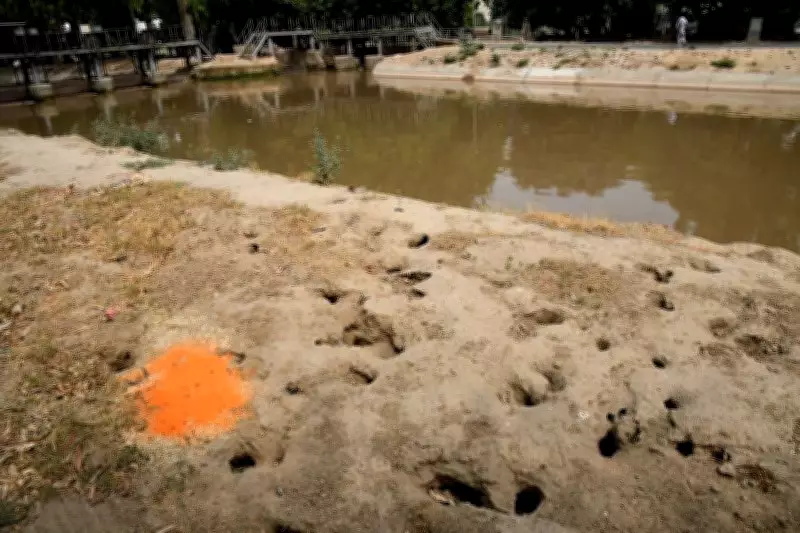
The latest incident occurred in Bathinda, where hundreds of rats burrowed into the embankment of the Sirhind canal near the VIP Lake View Guest House. The network of underground tunnels weakened the canal bank, causing wide cracks and partial collapse of the concrete lining. This raised concerns of a possible breach during the monsoon season.
Following a report by The Tribune, the Water Resources Department reduced the canal's water level and carried out emergency repairs. Officials attributed the infestation largely to people feeding birds and animals along the canal, which attracts rodents and encourages their growth.

Previous Canal Breaches Linked to Rodents
The threat posed by rat burrows to canal infrastructure is not restricted to Bathinda. Earlier, Water Resources Department officials had identified rodent activity as one of the factors contributing to the weakening of Bhakra canal embankments and the subsequent breach in Patiala. This highlights a recurring issue across the state's irrigation network.
Hospital and Railway Infestations
Punjab's premier Government Rajindra Hospital in Patiala has also been struggling with a severe rat infestation. Rodents have dug burrows across the hospital complex, creating risks for patients, attendants, electrical wiring, government records, and other infrastructure. The hospital authorities were forced to hire private agencies to control the rodent population.
A similar problem has been reported at Bathinda railway station, where vendors and passengers have repeatedly complained about rats moving across platforms and tracks, especially during night hours. This poses safety and hygiene concerns for travelers.
Root Causes of Rodent Proliferation
Experts link the growing rodent population to rapid urbanisation, poor waste management, overflowing garbage dumps, exposed food waste, and inadequate long-term pest-control measures. Rats reproduce quickly, making infestations difficult to contain once they become established. The combination of available food and shelter in urban areas has created ideal conditions for rodent growth.
Agricultural Damage Exceeds Ecological Benefits
For farmers, rodents remain among the most destructive pests. They damage standing crops, including wheat, paddy, maize, and sugarcane, while also causing losses by feeding on stored grain in warehouses and homes. Although rodents play an important ecological role — serving as prey for snakes, owls, and other predators and helping loosen soil through burrowing — experts say the economic damage they cause far outweighs these benefits. The cost to agriculture and infrastructure is substantial.
Need for Comprehensive Strategy
With rats increasingly affecting hospitals, railway stations, and irrigation systems, experts believe Punjab needs a comprehensive, long-term strategy rather than periodic pest-control drives. They stress the importance of maintaining cleanliness in public spaces, ensuring proper waste disposal, discouraging the feeding of animals near critical infrastructure, repairing damaged structures promptly, and regularly monitoring vulnerable locations.
Expert Recommendations for Rodent Management
Dr Neena Singla, Principal Zoologist (Rodents) at Punjab Agricultural University (PAU), Ludhiana, said rodent management requires different approaches for hospitals, public spaces, and agricultural areas.
“In hospitals, buildings should be made rodent-proof by sealing entry points such as doors, windows and drains, as rats can pass through an opening as small as one inch. More importantly, proper sanitation and disposal of food and biomedical waste are essential, as leftover food directly attracts rodents,” she said.

Speaking about agriculture, Dr Singla said rodents cause substantially more damage than benefit. “They cause significant damage to standing crops, stored grain and irrigation structures. Village-level rodent control campaigns are much more effective than individual efforts. Farmers should use the recommended doses of rodenticides, as lower quantities will not control the population effectively,” she added.
Recalling a severe rat infestation at the Civil Hospital in Ludhiana, she said food waste left by patients and attendants in wards attracted rodents, which then created burrows across the hospital premises. “Trapping alone was not enough. We had to combine trapping with burrow baiting and poison baiting, besides ensuring proper disposal of biomedical waste and deputing staff to monitor the problem,” she explained.