

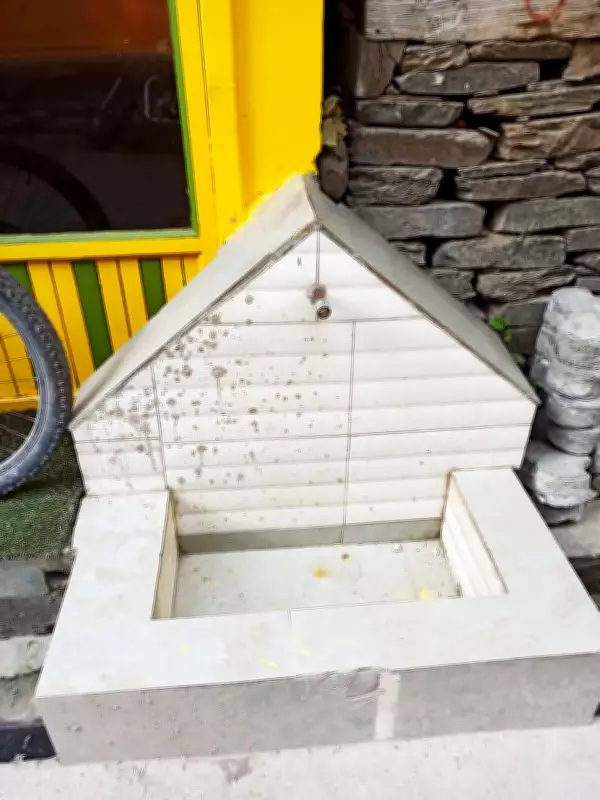
Sewage Detected in Kullu's Drinking Water Supply, Crisis Averted by Timely Intervention
In a concerning development, sewage contamination has been detected in the drinking water supply of Kullu, Himachal Pradesh, raising alarms over public health and safety. The discovery was made during routine water quality checks conducted by local authorities, who identified the presence of harmful pollutants typically associated with sewage. This incident highlights the vulnerabilities in water infrastructure and the critical need for vigilant monitoring in the region.
Immediate Response Prevents Potential Health Disaster
Upon detection of the contamination, authorities acted swiftly to avert a full-blown crisis. The water supply was immediately shut off to affected areas, and emergency measures were implemented to prevent consumption of the contaminated water. Public announcements were issued to alert residents, advising them to avoid using tap water for drinking or cooking until further notice. This prompt intervention is credited with preventing widespread illness and potential fatalities, underscoring the importance of rapid response in such emergencies.
Investigation Underway to Identify Source of Contamination
An investigation has been launched to determine the exact source of the sewage intrusion into the drinking water system. Preliminary reports suggest that a breach in the sewage pipeline or improper waste disposal near water sources may be to blame. Authorities are examining infrastructure integrity, including pipelines and treatment facilities, to pinpoint the cause and prevent future occurrences. This incident serves as a stark reminder of the risks posed by aging or poorly maintained water systems in urban and rural areas alike.

Public Health Implications and Preventive Measures
The contamination poses significant health risks, as sewage can contain pathogens like bacteria, viruses, and parasites that cause diseases such as cholera, typhoid, and gastroenteritis. In response, health officials have initiated:
- Water Testing: Enhanced monitoring of water quality across Kullu to ensure safety.
- Public Awareness Campaigns: Educating residents on water safety practices and emergency protocols.
- Temporary Water Supply: Arranging alternative sources, such as tankers and bottled water, for affected communities.
These measures aim to mitigate immediate risks and restore confidence in the public water supply.
Broader Context of Water Management Challenges in Himachal Pradesh
This incident is not isolated but reflects broader challenges in water management in Himachal Pradesh. Factors such as:
- Infrastructure Deficiencies: Outdated or damaged water and sewage systems.
- Environmental Pressures: Pollution from tourism and urbanization affecting water sources.
- Climate Change: Altered rainfall patterns impacting water availability and quality.
Addressing these issues requires sustained investment and policy focus to safeguard water resources for the future.
Conclusion: Lessons Learned and Path Forward
The timely intervention in Kullu has averted a potential disaster, but it underscores the need for proactive measures. Authorities must prioritize:
- Regular maintenance and upgrades of water infrastructure.
- Strict enforcement of waste disposal regulations to prevent contamination.
- Community engagement in water conservation and safety initiatives.
By learning from this incident, Himachal Pradesh can strengthen its resilience against similar threats, ensuring safe drinking water for all residents.






