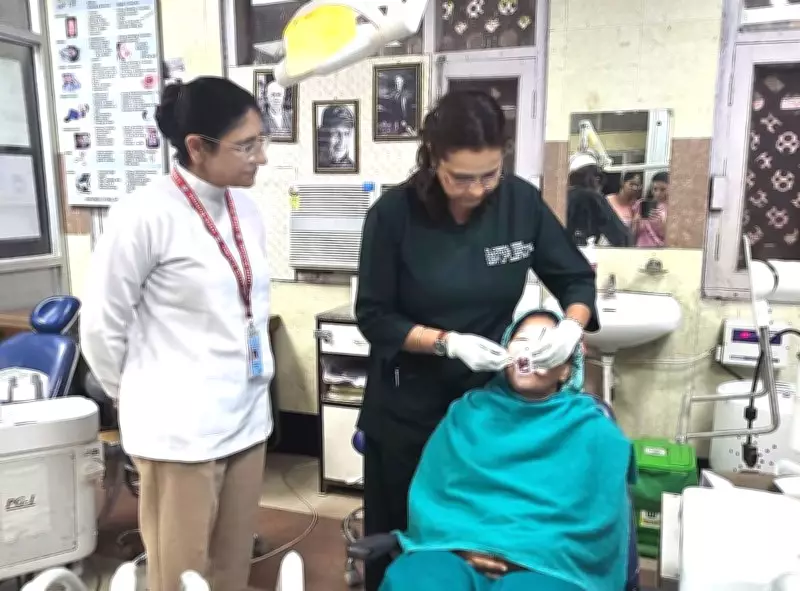
A comprehensive analysis of 750 patients treated at the Orofacial Pain Clinic of the Post Graduate Institute of Dental Sciences (PGIDS) in Rohtak over the past five months reveals that muscle-related facial pain is the most common complaint, with stress emerging as a key trigger.
Half of Patients Suffer from Muscle Pain
According to the findings, 50% of all cases—approximately 375 patients—were diagnosed with muscle-related pain, making it the leading cause of chronic facial pain among clinic visitors. This condition is largely linked to psychological stress, jaw clenching, teeth grinding (bruxism), and overuse of chewing muscles.
Dr Cheena Singh, head of the specialised clinic from the Department of Oral Medicine and Radiology, explained that psychological stress can lead to persistent jaw clenching and teeth grinding, resulting in muscle fatigue, headaches, and chronic facial pain. She noted that many patients mistakenly assume facial pain always originates from a tooth problem, whereas the actual source may be in muscles, jaw joints, nerves, or even neck structures.

TMJ Disorders Affect 40% of Patients
The study further showed that 40% of patients—around 300 cases—were diagnosed with jaw joint disorders involving the temporomandibular joint (TMJ). These patients commonly reported jaw pain, clicking sounds while opening or closing the mouth, difficulty chewing, and restricted jaw movements.
Dr Cheena emphasised that pain experienced in the jaw muscles is not always due to jaw joint disease. In several cases, an infected or decayed tooth may refer pain to the jaw muscles or joint region. Similarly, pain originating from neck muscles can be mistaken for cervical joint disorders because of overlapping symptoms. "The focus should always be on identifying the true source of pain rather than simply treating the area where the patient feels discomfort," she added.
Nerve-Related and Other Pain Disorders
Another 7% of patients (45 individuals) were found to be suffering from nerve-related facial pain, including neuralgia and other neuropathic pain disorders. These conditions often require specialised diagnosis as they can mimic dental pain, leading to delayed or inappropriate treatment. The remaining 3% of patients presented with restricted mouth opening disorders, managed through specialised rehabilitation exercises, therapeutic devices, and minimally invasive procedures.
Growing Trend of Sleep Disorders in Children
Dr Cheena also highlighted a growing trend of snoring and mouth-breathing among children and adolescents, with around six to seven new cases being evaluated every month. These patients are screened for sleep-related breathing disorders, including obstructive sleep apnoea.
Comprehensive Treatment Approach
Dr Manu Rathee, Principal of PGIDS, stated that the Orofacial Pain Clinic offers comprehensive management for muscle disorders, TMJ disorders, headaches, nerve pain, burning mouth syndrome, and sleep-related conditions. Treatments include muscle release exercises, behavioural counselling, dry needling, diathermy, oral splints, botox injections for teeth grinding, and advanced procedures such as trigger-point injections, prolotherapy, platelet-rich plasma (PRP) therapy, joint lavage, nerve blocks, and laser therapy. Headache management is undertaken in collaboration with the Department of Neurology at the PGIMS, Rohtak.
Dr Manu stressed the need for greater public awareness, saying persistent facial pain, jaw pain, or recurrent headaches should not be ignored. "Early diagnosis and timely referral to specialised clinics can prevent prolonged suffering, avoid unnecessary dental treatment, and significantly improve patients' quality of life," she added.
Academic Platform for Advanced Training
Dr HK Aggarwal, Vice-Chancellor of Pt BD Sharma University of Health Sciences, Rohtak, noted that the pain clinic also serves as an academic platform for postgraduate training and research in facial pain management, further strengthening PGIDS's contribution to advanced dental healthcare and education.