

Uttar Pradesh Unveils Comprehensive State Cancer Mission to Transform Healthcare
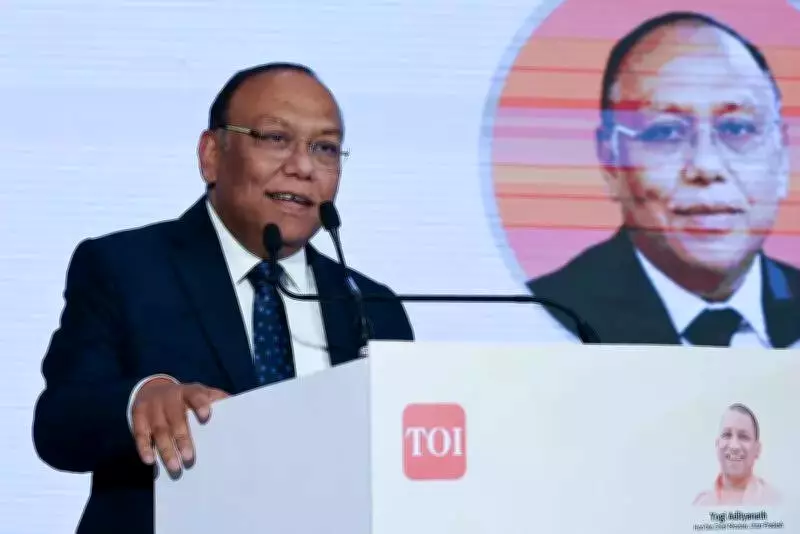
In a significant move to bolster public health services, Uttar Pradesh is set to launch a dedicated State Cancer Mission aimed at strengthening early diagnosis, treatment, and follow-up care for patients across the state. Additional Chief Secretary of Health, Amit Kumar Ghosh, announced this initiative, emphasizing its focus on reaching the last mile of healthcare delivery.
Enhancing Cancer Care and Screening Programs
While screening for breast, cervical, and oral cancers is already ongoing, the new mission will prioritize improving timely diagnosis, expanding treatment access, and ensuring long-term monitoring for patients. Ghosh stated, "We must go to the last mile. After screening, diagnosis, treatment, and follow-up will be done under this mission." He highlighted that technology will play a crucial role in scaling up screening and monitoring efforts without proportionately increasing manpower, leveraging digital tools for efficiency.
Reducing Maternal and Neonatal Mortality Rates
Ghosh identified reducing the maternal mortality ratio (MMR) and neonatal mortality as the most critical priorities in the state's health transformation plans. He noted, "We have succeeded in reducing MMR from 216 to 141, but in developed nations it is in single digits." To address this, the government is preparing a dedicated MMR Vision that will focus on tracking every high-risk pregnancy, strengthening antenatal care, and combating anemia among adolescent girls.

Health authorities plan to increase antenatal checkups for high-risk pregnancies from four to nine and ensure close monitoring of newborns during the first hour and the first 24 hours after birth. Large-scale digital tracking systems and targeted supplementation programs are also being designed to support these efforts.
Expanding Healthcare Infrastructure and Emergency Services
Highlighting improvements in infrastructure, Ghosh reported that dialysis services are now available in every district, reducing the need for patients to travel to major cities for treatment. In emergency care, a task force has been constituted to strengthen trauma and emergency services. The state aims to double trauma beds over the next five years and establish multiple level-1 trauma centers modeled after major tertiary institutions.
Hospital infrastructure has expanded significantly, with around 300 facilities now qualifying as district hospitals, including district women's hospitals. Special hospitals ranging from 100 to 500 beds have been set up to strengthen secondary and tertiary care across Uttar Pradesh.
Aligning with National Health Goals and Regulatory Measures
The state has intensified efforts under the TB-Free Uttar Pradesh campaign, aligning with the national goal of TB-Mukt Bharat. This program has been given high priority among ongoing national health schemes. On healthcare regulation and quality, Ghosh mentioned that the state spends about Rs 4,000 crore annually on empanelled private hospitals under public insurance schemes, with a task force established to monitor standards.
Another task force will modernize operation theaters in government institutions, while the State One Health Mission and proposed implementation of the Clinical Establishment Act aim to strengthen disease monitoring and ensure uniform healthcare standards throughout Uttar Pradesh.






