Vijayawada Hotels Persist with Wood Stoves Despite LPG Normalization, Raising Environmental Alarms
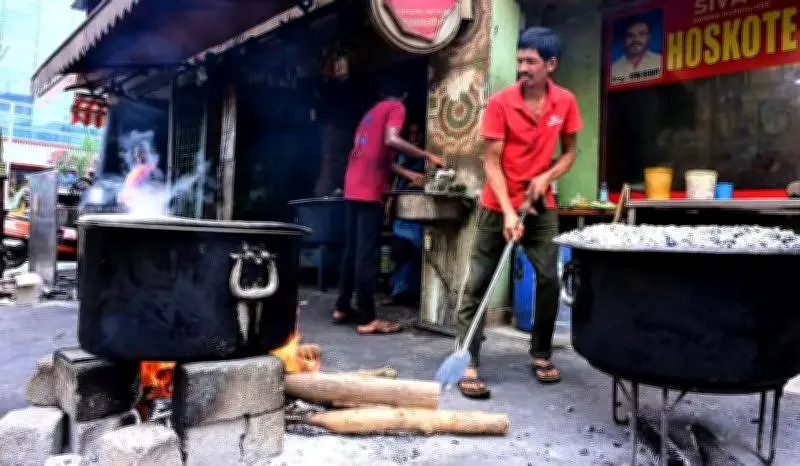
In Vijayawada, the gradual restoration of cooking gas supply has not prompted a full return to liquefied petroleum gas (LPG) usage among all hoteliers. Numerous establishments across the city are continuing to rely on alternative cooking methods, particularly wood-burning stoves, a practice that is now generating significant environmental concerns among local authorities and residents alike.
Shift to Alternative Fuels During Crisis Becomes Cost-Saving Habit
The recent LPG shortage, compounded by cash flow difficulties, forced many hotel owners to adopt induction cooktops and firewood-based cooking systems to maintain their operations. This temporary adaptation has evolved into a more permanent preference for some restaurateurs, even as gas availability improves. Muppalla Hari, proprietor of a small eatery in Vijayawada, explained the rationale behind this reluctance to switch back entirely. "Firewood is substantially cheaper, and it enables faster cooking, especially during our busiest hours. This approach allows us to reduce operational costs significantly," he stated, highlighting the economic incentives driving this trend.
Municipal Authorities Issue Stern Warnings Over Air Quality Impact
Officials from the Vijayawada Municipal Corporation (VMC) have expressed growing apprehension regarding the environmental repercussions of widespread wood stove usage in commercial settings. A senior VMC official emphasized the corporation's stance, warning that unchecked burning of firewood could severely degrade urban air quality. "We are implementing various measures to mitigate pollution within the city. The combustion of firewood in commercial establishments has the potential to cause a dramatic increase in air pollution levels. We are actively monitoring this situation. While we temporarily exempted hotels from using clean fuel due to the LPG crisis, adherence to clean fuel standards is mandatory. We will enforce strict actions if these practices persist over the long term," the official declared, signaling a possible crackdown.

Resident Complaints and Future Regulatory Implications
Local residents have also voiced their distress over the smoke emissions emanating from roadside hotels and eateries, contributing to neighborhood air pollution. With municipal authorities indicating potential regulatory interventions, hotel owners might soon face compulsory requirements to transition back to cleaner fuel alternatives. This shift would ensure compliance with established pollution control norms and help safeguard public health. The situation underscores a critical balance between economic viability for small businesses and environmental sustainability for the community.
The persistence of wood stove usage in Vijayawada's hospitality sector illustrates a broader challenge: how to reconcile cost-effective business practices with ecological responsibilities. As authorities weigh stricter enforcement, the city's air quality remains a pressing concern, with the outcome likely to influence similar urban centers grappling with fuel transitions and pollution management.