

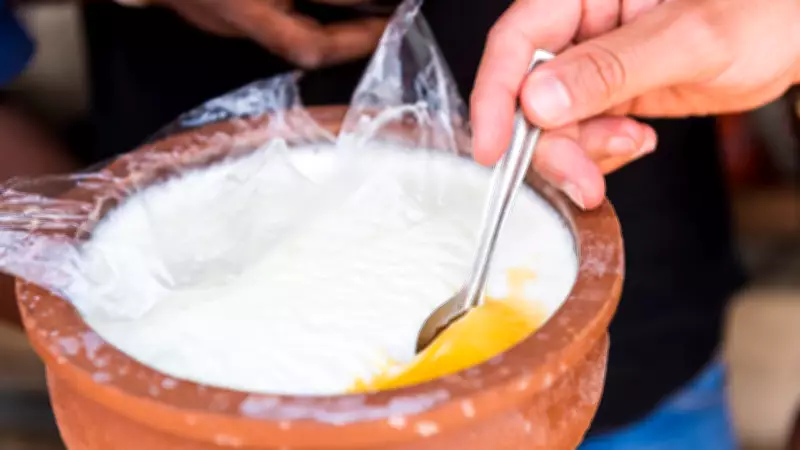
Why Curd Turns Sour Faster in Summer and How to Control Fermentation at Home
On a hot day, curd seems to change personality almost overnight. The same bowl that tasted mild and fresh in the morning can turn tangy, sharp, and even slightly unpleasant by evening. This is not a kitchen mystery. It is chemistry moving faster under heat. Curd is a living food, built by bacteria that feed on milk sugars and create lactic acid. In summer, those bacteria work at a quicker pace, which means fermentation speeds up and sourness arrives sooner. The good news is that with a little care, you can slow things down, keep the taste balanced, and make curd turn out just the way you like it.
Heat Speeds Up Fermentation
Curd forms when friendly bacteria convert lactose, the natural sugar in milk, into lactic acid. That acid is what thickens the milk and gives curd its familiar tang. In cooler weather, this process moves at a gentler pace. In summer, warmth acts like an accelerator. When the room temperature rises, bacterial activity increases. The curd sets faster, but it also keeps fermenting faster after it has already thickened. That is why curd can move from pleasantly mild to sharply sour in a short span of time. If left out too long, especially in a warm kitchen, the acidity keeps building. The texture may also become thinner or release whey more quickly. Milk type matters too. Full-fat milk usually gives a richer, creamier curd, while lower-fat milk can sometimes sour more sharply in feel. The starter you use also plays a role. A larger amount of old curd added as culture can push fermentation ahead faster than expected, especially in heat.
Why Summer Curd Tastes Different
People often notice that curd made in summer is not just faster to set, but also more likely to taste stronger. This happens because fermentation does not politely stop the moment the curd thickens. The bacteria keep working until the environment changes enough to slow them down. In practical terms, this means the same recipe can behave differently from one season to another. A spoonful of starter that works perfectly in winter may be too much in May. A bowl left on the counter for an hour too long can cross the line from smooth to sour. In hot weather, small timing mistakes have a bigger effect. Another factor is hygiene. If the container, spoon, or starter is not clean, unwanted microbes can join the process and alter the taste or spoil the curd faster. Summer heat makes that risk more noticeable because everything moves faster, including spoilage.

How to Control Fermentation at Home
The first rule is simple: use less starter in summer. A small spoonful of fresh curd is often enough for a bowl of warm milk. Too much starter can make the curd set too quickly and become sour before it has a chance to develop a clean, mild taste. Temperature control matters just as much. Milk should be warm, not hot, when you add the starter. If it is too hot, the bacteria can be damaged. If it is too cool, fermentation slows down too much and the curd may not set properly. Once the curd is set, move it to a cooler place or refrigerate it soon after it reaches the desired firmness. The container also makes a difference. Use a clean, dry, non-reactive bowl or pot. Cover it lightly so dust does not enter, but do not trap excess heat for too long in a warm room. In peak summer, some households find that setting curd in a shaded corner or for a shorter period helps prevent over-fermentation. Timing is everything. In hot weather, curd may set in a few hours, sometimes even faster. Check it earlier than you would in winter. Once it reaches the texture and sourness you like, refrigerate it right away. The fridge slows bacterial activity and helps preserve the taste.
Small Changes That Make a Big Difference
If you like curd mild, use fresh starter, less of it, and shorter fermentation time. If you want a firmer texture, avoid moving or shaking the bowl while it sets. If the curd keeps turning too sour, reduce the amount of starter further and watch the setting time more closely the next time. You can also try making curd in smaller batches during summer. A smaller quantity cools and sets more evenly, and it is easier to monitor. That often gives better control than trying to manage a large bowl in a hot kitchen.

The Quiet Science Inside the Bowl
Curd is one of the simplest foods in the home, but it is also one of the most sensitive. Summer does not ruin it; it just asks for better timing. Once you understand that heat speeds fermentation, the rest becomes easier. A little less starter, a little more attention, and a quicker trip to the fridge can make the difference between curd that tastes fresh and curd that turns sour before its time.





