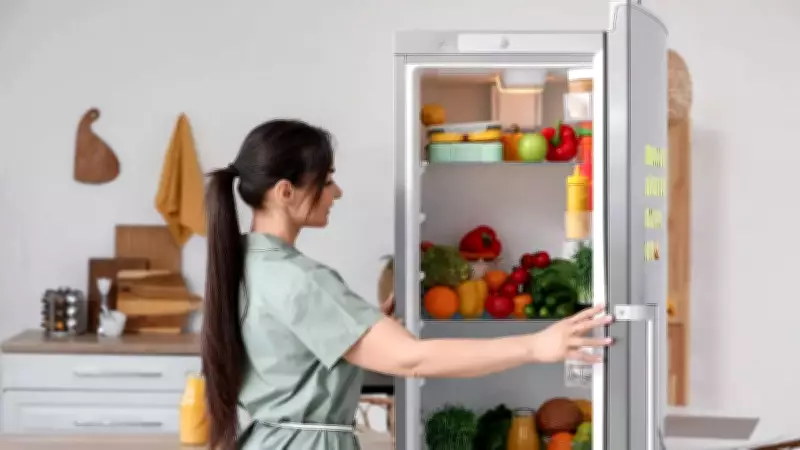
Why an Organized Fridge Matters
There is no denying that the refrigerator is the heart of the kitchen. However, it can quickly become a messy place filled with old condiments, leftover food, and wilted vegetables. Cleaning and organizing your fridge is not just about making it look nice; it is about reducing waste, saving money, and making it easy to prepare meals every day. By following a plan to clear out, clean, and organize your fridge, you can transform it from a source of stress into a useful and efficient part of your kitchen.
Step 1: Get Rid of Everything
Start by clearing a space on your counter and taking everything out of your fridge. Group similar items together so you can see what you have. Throw away anything that is old, moldy, or spoiled. Make a mental note of what you are discarding to avoid buying those items again in the future.
Step 2: Clean Everything
With the shelves empty, remove all drawers and racks. Wash them in the sink with warm water and mild soap. Wipe down the interior of the fridge, including the seals and fixed shelves, with a mixture of water and soap or vinegar. Avoid using harsh chemicals, as they can leave unpleasant odors and harmful residues on your food.

Step 3: Plan Your Fridge Layout
Before restocking, consider how temperature varies in your fridge. The door is the warmest part, making it ideal for condiments, juice, and butter. Place ready-to-eat foods, leftovers, and dairy products on the top and middle shelves where they are easily visible. Store raw meat and seafood on the bottom shelves, which are the coldest.
Step 4: Use Crisper Drawers Properly
Crisper drawers are designed to control humidity. Use them to keep your vegetables and fruits fresh. Place greens, herbs, and vegetables that wilt easily in one drawer with the vents closed (high humidity). Put fruits and vegetables that emit ethylene gas, like apples and pears, in the drawer with the vents open (low humidity).
Step 5: Create an "Eat First" Section
Designate a spot in your fridge for foods that need to be eaten soon. Use a clear bin and label it "Eat First." Place opened packages, leftover food, and aging vegetables in this bin. This will help you remember to consume them before they spoil.
Step 6: Shop and Restock with a Plan
Before heading to the store, take a picture of your organized fridge so you do not buy duplicates. When restocking, place new items behind older ones to ensure you use the older food first. Use bins and labels to maintain an organized and user-friendly fridge.