

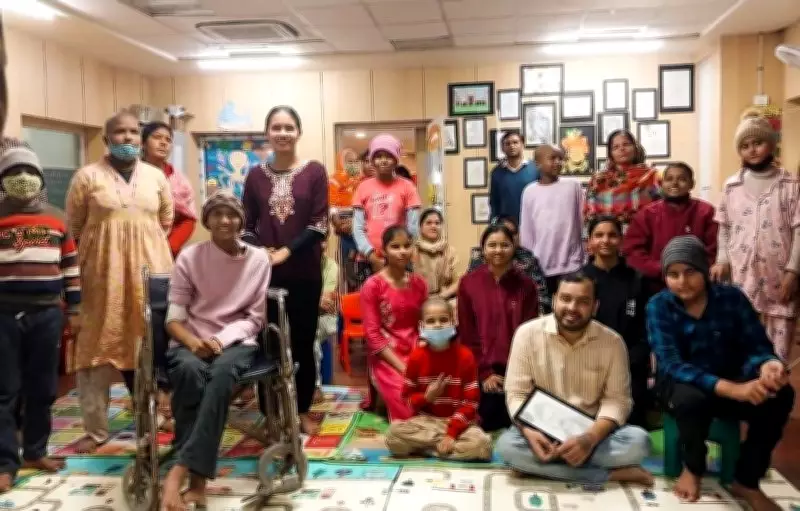
Alakh Pandey Extends Grassroots Support to Noida Cancer Facility
In a significant move aimed at bolstering healthcare accessibility, Alakh Pandey, the founder of the edtech giant Physics Wallah, has extended grassroots support to a cancer facility in Noida. This initiative is specifically designed to focus on economically vulnerable families, ensuring they receive critical medical care without financial strain.
Focus on Economically Vulnerable Families
The support from Alakh Pandey targets families who are often marginalized due to their financial circumstances. By providing resources and assistance to the Noida cancer facility, the effort aims to bridge the gap in healthcare access for those who cannot afford expensive treatments. This aligns with broader goals of improving public health outcomes in underserved communities.
Key aspects of this support include:

- Financial aid for treatment costs to reduce out-of-pocket expenses for patients.
- Infrastructure enhancements at the facility to improve service delivery.
- Community outreach programs to raise awareness about cancer prevention and early detection.
Background and Motivation
Alakh Pandey, known for his work in education through Physics Wallah, has been increasingly involved in philanthropic activities. His decision to support the Noida cancer facility stems from a commitment to social welfare, particularly in areas where economic disparities hinder access to essential services. This initiative reflects a growing trend among Indian entrepreneurs to contribute to healthcare and social causes.
The Noida cancer facility, which serves a diverse population in the National Capital Region, has been struggling with resource constraints. Pandey's intervention is expected to provide a much-needed boost, enabling the center to expand its services and reach more patients in need.
Impact on Healthcare Access
By focusing on economically vulnerable families, this support has the potential to transform healthcare access in the region. It addresses critical barriers such as high treatment costs and lack of awareness, which often prevent timely medical intervention. The initiative is part of a larger effort to create a more inclusive healthcare system that caters to all segments of society.
Expected outcomes include:
- Increased patient turnout at the facility due to reduced financial burdens.
- Improved treatment outcomes through better resources and infrastructure.
- Enhanced community engagement in health-related matters, fostering a culture of prevention.
This move by Alakh Pandey underscores the importance of private sector involvement in addressing public health challenges. As healthcare remains a pressing issue in India, such grassroots initiatives can play a pivotal role in ensuring that no family is left behind due to economic hardships.






