Andhra Pradesh Government Implements Strict Regulations on New Nursing Institutions
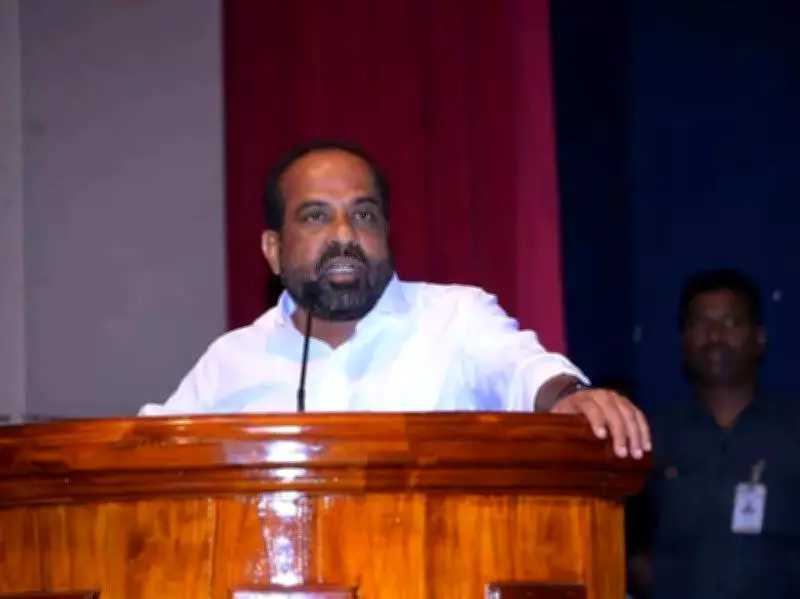
In a significant move to address the unchecked proliferation of nursing colleges and a concerning mismatch between seat availability and demand, the Andhra Pradesh government has decided to implement stringent regulations on the establishment of new institutions. This decision was finalized during a high-level review meeting chaired by Health Minister Satya Kumar Yadav in Vijayawada.
Ending Suo Motu Proposals to Curb Uncontrolled Growth
The government has put an end to the earlier practice of entertaining suo motu proposals from private entities. From now on, only applications submitted in response to official government notifications will be considered for approval. This policy shift aims to bring order and alignment with actual healthcare requirements, ensuring that new nursing colleges are established based on genuine need rather than voluntary initiatives.
Addressing the Seat Vacancy Crisis
During the meeting, officials presented stark data highlighting the current state of nursing education in Andhra Pradesh. The state currently boasts 691 nursing institutions, which collectively produce approximately 32,000 graduates annually. However, despite this high output, nearly 6,000 seats remain vacant each year, indicating a significant imbalance between supply and demand.

Since 2014, a total of 243 nursing colleges were sanctioned, predominantly based on voluntary proposals from private institutions. In contrast, the present government took a different approach last year by inviting applications through a formal notification. This process yielded 345 proposals, which are now under rigorous scrutiny by a High Power Committee to ensure they meet the state's actual needs.
Aligning Training with Emerging Healthcare Demands
Health Minister Satya Kumar Yadav emphasized that the new regulatory framework is designed to ensure that nursing training programs are aligned with emerging healthcare demands. He specifically highlighted the growing need for specialized care in areas such as geriatric care, child health, and mental health. By tailoring education to these sectors, the government aims to enhance the relevance and employability of nursing graduates.
"This move ensures that new institutions are established in alignment with actual requirements, with necessary exceptions made for tribal areas to ensure equitable access to healthcare education," Yadav stated.
Comprehensive Reforms for the Nursing Sector
In addition to regulating new colleges, the government has announced the formation of a committee tasked with reviewing and revising the fee structure for nursing programs. This step is intended to make education more accessible and financially sustainable for students.
Yadav also underscored the significant employment potential within the nursing sector, noting that it holds the promise of generating over one lakh jobs. This initiative is part of the state's broader target of creating 20 lakh employment opportunities by 2029, positioning nursing as a key driver of economic growth and job creation.
Enhancing Specialization Through Postgraduate Programs
To further elevate the quality of nursing education and improve employability, officials revealed plans to introduce postgraduate residency programs in government nursing institutions. These programs will focus on enhancing specialization, ensuring that graduates are equipped with advanced skills to meet the evolving demands of the healthcare industry.
The Andhra Pradesh government's comprehensive approach—combining regulatory measures, fee structure reviews, and curriculum enhancements—aims to transform the nursing education landscape, making it more responsive to both student needs and healthcare sector requirements.