

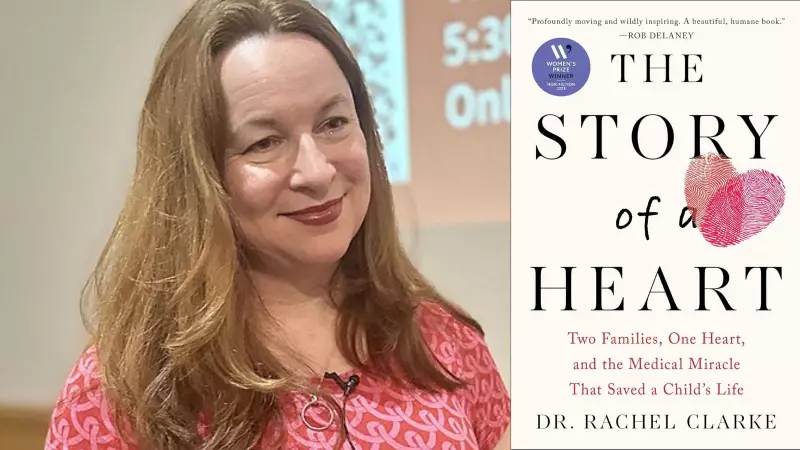
Dr Rachel Clarke Wins Women's Prize and Speaks Out on Healthcare Inequities
Dr Rachel Clarke, an NHS palliative care doctor and acclaimed author, recently secured the prestigious Women's Prize for Non-Fiction for her book The Story of a Heart. In an exclusive interview at the Jaipur Literature Festival, she described the win as "completely amazing, life-changing," not only for the recognition but for silencing the imposter syndrome many women face. Clarke emphasizes that the prize champions women's voices, asserting their worth in a world still grappling with patriarchal norms.
Persistent Gender Disparities in 2026
Clarke is forthright about ongoing gender struggles, stating that society remains far more patriarchal than many believe. She highlights persistent inequities such as pay gaps in the UK and imbalances in non-fiction prizes and publishing advances in India. According to her, these reflect a broader cultural tendency to value male stories over women's, a pattern she deems "terrible and wrong." Clarke vows to remain a feminist, predicting patriarchal structures will endure, necessitating continuous advocacy for equality.
Medicine's Evolution and Unresolved Issues
While medicine has evolved over the past decades, becoming less patriarchal, Clarke notes that misogyny and abuse persist. She cites cases of sexual harassment in the UK medical field, where perpetrators often receive undue sympathy. Clarke stresses the collective responsibility to fight for equal treatment, ensuring a better future for healthcare professionals. Her insights underscore the need for ongoing efforts to address systemic biases within medical institutions.

Balancing Empathy and Detachment in Medicine and Writing
The Story of a Heart traces the journey of a donor heart, exploring themes of grief, connection, and medical ethics. Clarke discusses the challenge doctors face in balancing empathy with detachment, a tightrope walk essential for both patient care and personal well-being. She draws parallels between medicine and writing, noting that both require navigating emotion and objectivity. Suppressing feelings entirely is unrealistic, yet excessive attachment can hinder professional function, highlighting the nuanced human aspect of healthcare.
The Obscenity of Unequal Healthcare Investment
Clarke criticizes global healthcare priorities, labeling it obscene that some countries spend millions on advanced treatments like heart transplants while others lack basic resources, leading to preventable deaths from diseases like malaria. She warns of weakening international commitments to healthcare, exacerbated by funding cuts. Clarke advocates for redirecting investments from "sexy AI" in health to essential measures like vaccinations and preventive care, which are cost-effective but often overlooked due to lack of profit potential.
Doctors' Role in Advocacy and Politics
Addressing whether doctors should engage in politics, Clarke firmly disagrees with staying neutral. She argues that politics involves power, and when it harms patient health, doctors have a duty to speak out. With their education and status, healthcare professionals are positioned to advocate for vulnerable populations, making advocacy a moral responsibility. Clarke's stance encourages medical practitioners to use their influence for systemic change.
Writing Through Grief and Responsibility
The most difficult part of writing her book was describing a family's farewell to their child before organ donation, a moment that brought Clarke to tears as a mother. She felt a profound responsibility to honor the family's trust, and their feedback that the book helps their daughter's legacy brought her immense satisfaction. This experience underscores the emotional weight and ethical considerations in narrative non-fiction, blending personal grief with professional dedication.






