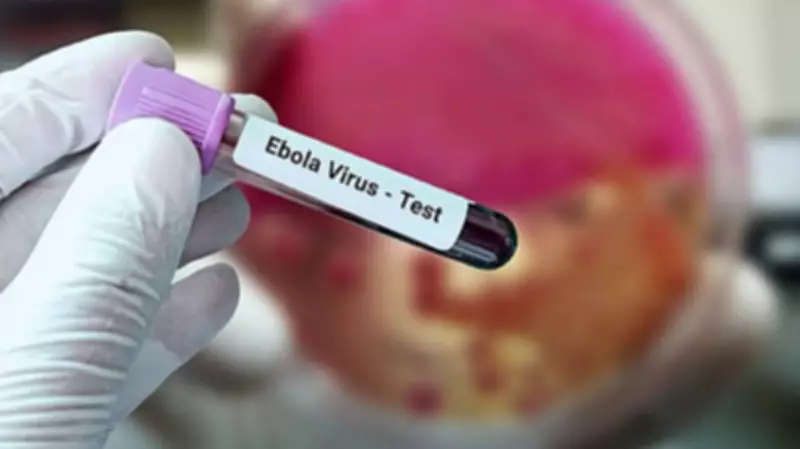
First Clinical Trial for Bundibugyo Ebola Virus Launches in DR Congo
The first-ever clinical trial to find a treatment for Bundibugyo Ebola virus disease (BVD) has begun in the Democratic Republic of Congo (DRC), according to the World Health Organisation (WHO). This marks a critical step in addressing a strain that has caused significant mortality in Central Africa.
Bundibugyo Ebola virus is one of six known species of the Ebola virus and was first identified in 2007 during an outbreak in Uganda's Bundibugyo district. Unlike the more common Zaire strain, for which vaccines and treatments exist, BVD has no approved cure or vaccine. The DRC has experienced multiple BVD outbreaks, with the most recent ongoing cases reported in remote regions.
Over 1,400 Diagnosed, Nearly 440 Deaths Recorded
According to WHO data, more than 1,400 people have been diagnosed with BVD in the DRC since the first outbreak. Of these, approximately 210 patients recovered, but nearly 440 died, reflecting a case fatality rate of around 31%. The virus spreads through direct contact with bodily fluids of infected individuals or contaminated materials, often overwhelming local healthcare systems.

Dr. Jean-Jacques Muyembe, director of the DRC's National Institute for Biomedical Research and a key figure in Ebola research, stated, "This trial is a beacon of hope for communities that have suffered from this neglected strain. We are committed to finding a cure that can save lives." The trial is being conducted in collaboration with the WHO, the DRC Ministry of Health, and international partners.
Trial Design and Treatment Candidates
The randomized controlled trial will test two experimental antiviral therapies that have shown promise in animal studies and against other Ebola strains. The treatments include monoclonal antibodies and a broad-spectrum antiviral drug. Participants will be recruited from affected areas in North Kivu and Ituri provinces, where BVD outbreaks are endemic.
Healthcare workers will administer the therapies under strict biosafety protocols. The trial aims to enroll 200 patients over 12 months, with interim analysis planned to assess safety and efficacy. If successful, the treatment could be deployed in future outbreaks and potentially lead to vaccine development.
Impact on Public Health and Future Outbreaks
The lack of a specific cure for BVD has hindered outbreak control efforts. Health officials hope that a proven treatment will reduce mortality, encourage early treatment-seeking behavior, and lower transmission rates. "Without a cure, every outbreak forces us to rely solely on supportive care and isolation," said Dr. Matshidiso Moeti, WHO Regional Director for Africa. "This trial could change that."
The DRC has faced 14 Ebola outbreaks since 1976, with BVD accounting for three of them. The new trial is part of a broader WHO strategy to prioritize research on neglected pathogens. Results are expected by late 2027, with potential emergency use authorization if positive outcomes emerge earlier.