

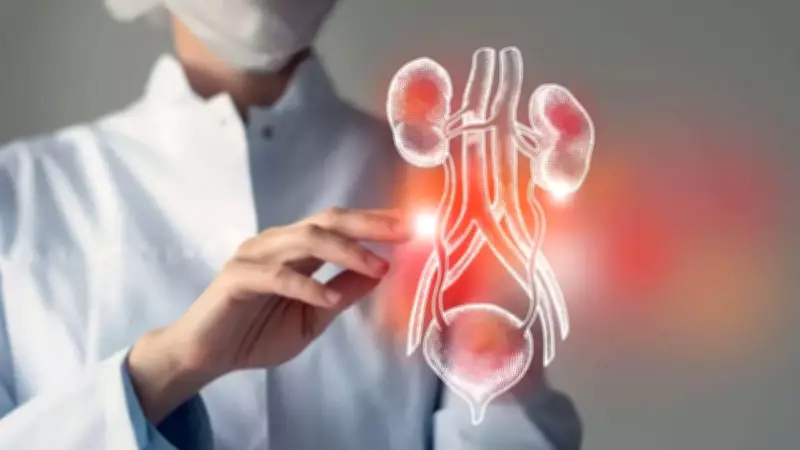
A drug originally designed to help heart tissue recover after a heart attack could soon offer new hope for millions suffering from kidney disease. Researchers at the University of California, Los Angeles (UCLA) have discovered that this medication may have a second application by aiding kidney tissue repair and regeneration.
Study Findings
In an animal study, the scientists found that blocking a specific protein dramatically improves kidney repair and reduces scarring in mice. The treatment is already progressing toward human trials. The findings have been published in the journal Cell Stem Cell.
The Drug: AD-NP1
The drug, known as AD-NP1, was previously developed by UCLA researchers and recently received FDA approval for a Phase 1 clinical trial in humans. It works in heart tissue by blocking a protein that disrupts healing and prevents full recovery of internal organs. The team has now shown that blocking this same protein in kidney tissue speeds up repair after injury in mice.

These new findings build on years of research led by UCLA cardiovascular scientist Arjun Deb. His team discovered that an injured kidney produces a protein called ENPP1. This protein initiates a metabolic chain of events that disrupts energy production and the function of multiple cells in the injured area, slowing down tissue repair. Blocking ENPP1 improves kidney repair and reduces scar tissue formation, both of which enhance kidney function. The researchers had previously found that blocking ENPP1 in heart tissue improved healing.
Human Implications
The researchers examined kidney biopsies from people with chronic kidney disease and found that ENPP1 was expressed at higher levels than in healthy tissue. In studies on mice, the protein was linked to significant increases in serum creatinine, BUN, and cystatin C—all indicators of renal dysfunction. Four weeks later, mice that could not produce ENPP1 showed much better recovery, suggesting their kidneys were healing.
“These animals had a far better outcome. Their kidneys were not as damaged, and the kidney cells were proliferating more. We found that the same mechanisms we observed in the heart were also applicable in the kidney. After injury, healthy cells around the damaged area were trying to proliferate, but the damaged area was sending metabolic signals that prevented the kidney from regenerating and repairing effectively,” said Deb, a UCLA professor of medicine and of molecular, cell and developmental biology, and a member of the Eli and Edythe Broad Center of Regenerative Medicine and Stem Cell Research.
Next Steps
In September, the drug was approved for Phase 1 clinical trials in humans for heart conditions. This trial will evaluate the safety, dosage, and metabolism of the new drug, marking the first step toward trials assessing its efficacy. The researchers are also planning to apply for trials in kidney disease.






