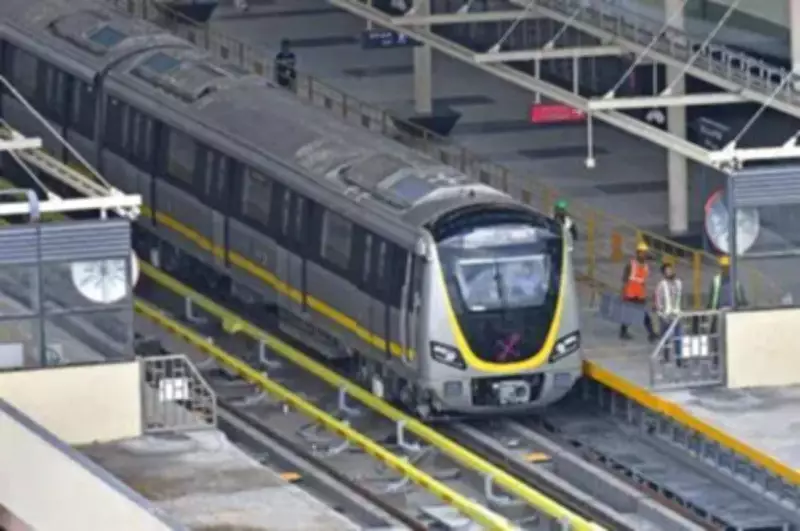
Bengaluru: On June 4, we reported how thousands of motorists heading to Electronics City were happily swapping traffic gridlock for the Metro's Yellow Line. A significant additional benefit was the improvement in physical fitness due to built-in walking sections. However, a considerable minority remains unwilling to board the Metro, and for valid reasons.
Key Findings of the IISc Study
A study by the Indian Institute of Science (IISc), while highlighting the health benefits of Metro commuting, has also revealed that high ticket prices, poor pedestrian access, and a lack of last-mile options are actively preventing the population from making the switch. Among the 600 people surveyed between July 2025 and February 2026, 102 respondents (17%) were still not ready to make the switch.
High Fares Compared to Other Metros
For commutes between 10 km and 20 km, Namma Metro fares range from Rs 60 to Rs 70. A comparative analysis shows these prices are four to five times higher than the Kolkata Metro. On a per-kilometer basis, Bengaluru out-prices networks in Delhi, Mumbai, and Chennai. This financial burden is acutely felt by households with monthly incomes below Rs 30,000, which constitute 27% of the study's sample. Commuters noted that these fares are higher than the cost of operating a two-wheeler and, in some instances, competitive with driving a car.

Accessibility and Safety Issues
Getting to the platform presents its own challenges. Among those unwilling to shift, 17.6% highlighted severe accessibility issues, citing a complete lack of station parking. Some 4.4% pointed to safety risks, terrible pedestrian infrastructure, waterlogged footpaths, and zero protection from the elements. The report stated, "Several stations like Bommanahalli, Hosa Road, Singasandra, Huskur Road, and Bommasandra lack proper accessibility, along with safety and security issues. The foot overbridge is not easily accessible in some locations and a proper disability wheelchair ramp is not available."
The study emphasizes that these missing links are more than minor inconveniences—they are active hazards for vulnerable groups. The absence of safe and convenient crossing infrastructure forces many commuters to cross roads in high traffic, significantly increasing the likelihood of accidents. Inadequate lighting, especially where footbridges terminate onto service roads and side streets, poses a serious safety risk for women commuters traveling after 9 PM.
Recommendations for Improvement
Based on the survey responses, researchers have recommended an integrated BMTC feeder bus network with proper schedule information available online and offline in Kannada and English. "A subsidized e-rickshaw feeder service and designated autorickshaw zone outside each Metro station would help more commuters shift to Metro," the study recommends. It also suggests constructing continuous pedestrian walkways with guardrails, better crossing facilities, escalators and elevators at foot-over bridges, and high-quality LED lighting to improve conditions.
To address high commute costs, the study calls for student and senior citizen concession passes and employer-subsidized commuter passes for IT/ITeS companies to encourage more commuters to shift to the Metro.