

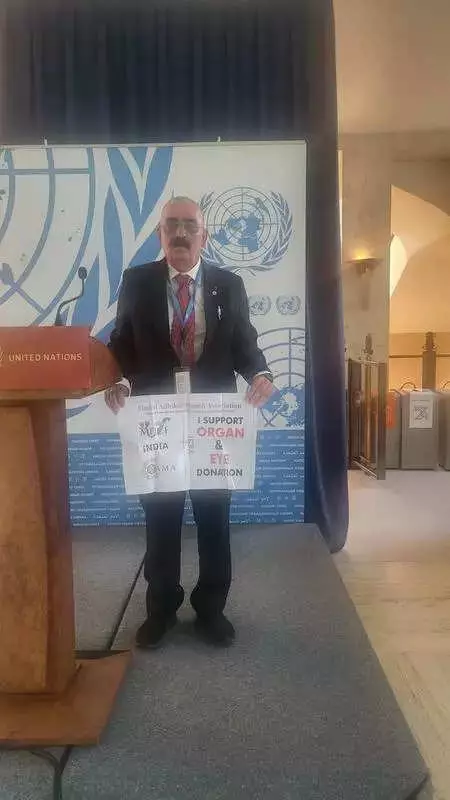
In a significant development for global healthcare advocacy, the Sindhi Adhikar Manch, a Jaipur-based non-governmental organization holding special consultative status with the United Nations, saw its detailed recommendations on enhancing cadaver organ donation systems circulated during the UN General Assembly session on Thursday. This submission was made in accordance with the Economic and Social Council resolution 1996/31, marking a pivotal step in addressing organ donation as a critical public health issue on an international platform.
Comprehensive Recommendations for Organ Donation Reform
The NGO's proposals outline a multi-faceted approach to revolutionize organ donation practices worldwide. Key suggestions include the implementation of mandatory identification and referral protocols for potential deceased donors, ensuring that no opportunity for donation is missed due to procedural gaps. Additionally, the recommendations emphasize the need for substantial investment in critical care infrastructure and the establishment of trained transplant coordination units within major hospitals to streamline the donation process.
Ensuring Transparency and Equity in Organ Allocation
A cornerstone of the submission is the call for a transparent and equitable digital organ allocation system, overseen by independent bodies to prevent biases and corruption. The NGO advocates for the inclusion of transplantation services within Universal Health Coverage frameworks, aiming to make these life-saving procedures affordable and accessible to all, thereby eliminating discrimination based on socioeconomic status.

Public Awareness and Ethical Safeguards
To foster a culture of organ donation, the recommendations highlight the importance of sustained public awareness campaigns that engage community and religious leaders to address misconceptions and promote altruism. Furthermore, the NGO stresses the necessity of strict monitoring mechanisms to combat organ trafficking and ensure adherence to the World Health Organization's Guiding Principles, safeguarding ethical standards in transplantation practices.
Advocacy Rooted in Human Rights and Public Health
Gobind Gurbani, the founder of Sindhi Adhikar Manch, underscored the organization's longstanding commitment to this cause, stating, "We have held special consultative status from the Economic and Social Council of the UN in New York since 2016. For the past three years, we have consistently raised the issue of cadaver organ donation at UN Human Rights Council sessions in Geneva." The NGO frames organ donation as a human rights issue, arguing that reforms must prioritize reducing disparities, protecting vulnerable populations from exploitation, and guaranteeing fair access to organs and transplant services for all individuals.
Addressing Current Shortcomings and Guiding Future Actions
The submission meticulously outlines existing deficiencies in global organ donation systems, identifies associated human rights concerns, and provides actionable recommendations aligned with international standards. These guidelines are designed to assist countries in developing robust policies that enhance donation rates, with the adoption of an opt-out system proposed as a strategic measure to increase participation by presuming consent unless otherwise stated.
By leveraging its UN consultative status, the Sindhi Adhikar Manch aims to catalyze a human rights-based public health response to organ donation, advocating for systemic changes that could save countless lives worldwide. This initiative reflects a growing recognition of organ transplantation as not merely a medical issue but a fundamental aspect of healthcare equity and ethical governance.






