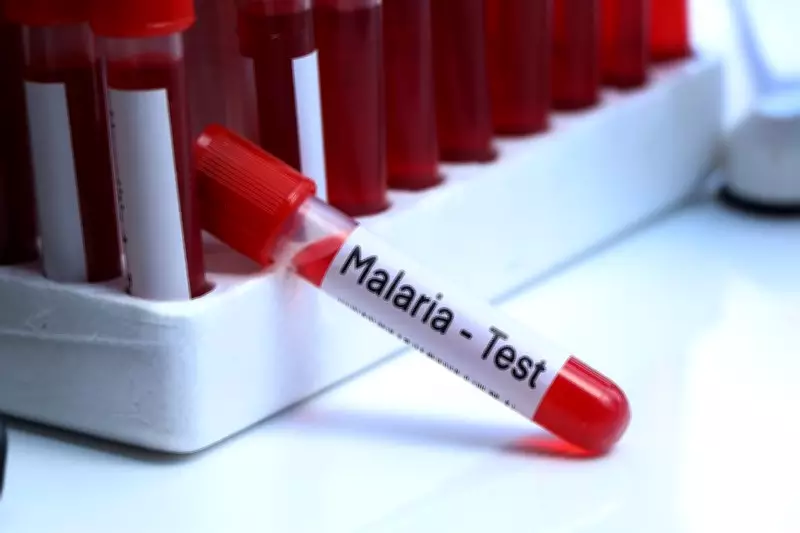
Nine more individuals have tested positive for cerebral malaria in the Potka block of Jharkhand's East Singhbhum district, bringing the total number of cases detected in the area over the past week to 150, health officials confirmed on Thursday.
The surge in cases has prompted the state government to direct all district administrations to formulate comprehensive action plans aimed at combating the vector-borne disease. Officials emphasized the need for intensified surveillance, testing, and vector control measures to contain the outbreak.
Testing and Case Details
According to district health department officer Dr. Mrityunjay Dhavaria, a total of 3,000 samples have been tested in the Potka block since June 24. Of these, 150 individuals have been diagnosed with cerebral malaria, including nine cases confirmed on Wednesday. The majority of cases have been reported from villages such as Kandar and Hithbasa, where medical teams are actively monitoring the situation, distributing mosquito nets, and implementing precautionary measures.

Dr. Dhavaria stated that nine cerebral malaria-positive patients were admitted to a hospital in the Potka block, while 45 others are undergoing treatment at Sadar Hospital in Jamshedpur. Tragically, four children have died from cerebral malaria since the first case was reported last week.
Government Directives and Action Plan
In a letter issued to all deputy commissioners (DCs) of the districts, Additional Chief Secretary (Health) Ajoy Kumar Singh directed them to ensure comprehensive action to prevent and control malaria with immediate effect. The letter, released on Wednesday evening, stressed that in areas where malaria cases are being reported, surveillance should be intensified by formulating an action plan on a war footing, and accountability must be fixed at every level to prevent further spread.
Singh instructed that surveys be conducted through multipurpose health workers (MPWs) and 'sahiyas' (community health workers) in areas with a high number of fever patients. Every patient suspected of malaria infection must undergo immediate testing, and if found positive, treatment should commence without delay.
Vector Control and Resource Allocation
The additional chief secretary directed all deputy commissioners to ensure that adequate stocks of testing kits and anti-malarial medicines are maintained at community health centres. Additionally, vector control measures such as insecticide spraying and larvae control activities should be intensified in affected areas. The letter also mandated that malaria data be prepared for each village, and rapid diagnostic test kits and essential medicines be provided to sahiyas in the most affected villages.
Cerebral malaria is a life-threatening neurological complication of Plasmodium falciparum infection, often resulting in coma and severe brain damage. The state government's proactive directives aim to curb the outbreak and prevent further fatalities.