Doctors in Kolkata are making a strong push to bring back the neighborhood family physician. They believe this traditional role is crucial for saving lives and cutting down on unnecessary hospital visits. A recent conference highlighted the urgent need to advance family medicine and create incentives for doctors to specialize in it.
Kolkata Declaration Aims to Strengthen Primary Care
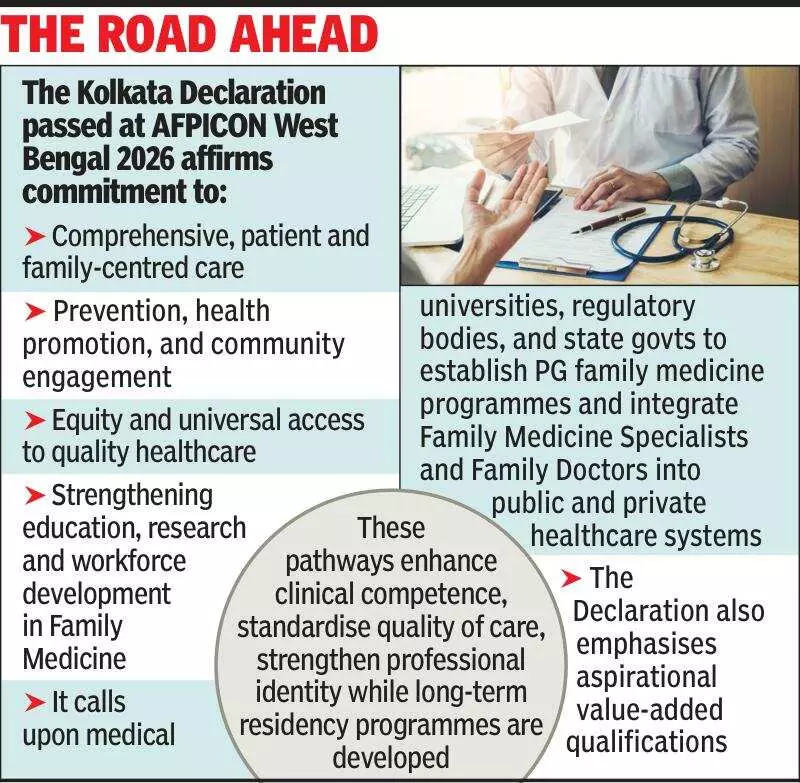
Last week, the West Bengal chapter of the Academy of Family Physicians of India held a two-day conference. Around 250 doctors attended the event. They formally adopted and released the "Kolkata Declaration on Strengthening Primary Care through Family Medicine." This document outlines a plan to revive family medicine across the region.
Family Doctors on the Verge of Extinction
Abhijit Mandal, a family medicine consultant and national executive member of AFPI, pointed out a critical issue. He said that India's national health policy focuses too much on hospitals and specialists. This has left primary medicine neglected in Bengal and the rest of the country.

Mandal explained the unique value of family doctors. "Family doctors were always available for the whole family at any time," he noted. "This ensured immediate diagnosis and prevented avoidable hospitalizations." Unfortunately, these doctors are now disappearing due to a shift toward fragmented, organ-based care.
Few doctors are choosing family medicine as a specialization today. Instead, many are opting for organ-specific fields. This trend forces patients to rely on hospitals, often leading to unnecessary expenses without improving recovery rates. Mandal stressed the need to revive the family doctor tradition to provide holistic, patient-centered care in communities.
Consensus Statement Released by Doctors
Doctors at the conference also released a consensus statement. It represents the collective voice of Family Medicine Specialists and family doctors. They are committed to enhancing the quality, continuity, and reach of primary care across India.
Call for More Courses in Family Medicine
The conference called for more courses in family medicine throughout Bengal and India. Mandal, who also served as the organising chairperson, highlighted a regional disparity. "South India has seen significant growth in doctors specializing in family health," he said. "But in most other parts, including Bengal, courses have been discontinued due to lack of students."
He emphasized that specialist family doctors play irreplaceable roles. They act as first-contact clinicians, care coordinators, and long-term health partners. Their presence is essential for a functional healthcare system.
Modern Healthcare Leaves Patients Lost
Brita Datta, a family medicine specialist and organising secretary of the meet, shared her perspective. She said modern healthcare has become too specialist-driven. This often leaves patients confused when dealing with common, non-organ-specific illnesses.
"Reviving family doctors can be a game-changer," Datta asserted. "It would ease the hospital burden and simplify care." A doctor who understands a family's medical, social, and mental history can provide better diagnosis, monitoring, and health education. Datta believes it is time to rethink the family doctor system in India.
Lack of Structured Training in Eastern India
Doctors at the conference raised another concern. Bengal and much of eastern India lack structured postgraduate training programs in Family Medicine. This is despite many MBBS doctors working as family doctors and general practitioners in the region.
Kamlesh Bhargava, organising chairperson of the meet, explained the consequences. "This gap has led to fragmented care, overburdened hospitals, limited continuity of care, and low visibility of Family Medicine within health systems," he said.
Bhargava described specialist family doctors as the backbone of a healthy nation. They treat illness, prevent disease, reduce hospital burden, and guide patients through all life stages. Their role extends beyond individuals to strengthen families and uplift communities.

Need for a Collective Movement
Roshni Jhan Ganguly, organising secretary, called for a collective movement. She stressed the need to re-center Family Medicine in healthcare reform across eastern India. This effort is essential to address the current gaps and build a more resilient healthcare system.
The conference in Kolkata has set a clear agenda. Doctors are urging policymakers and medical institutions to prioritize family medicine. They believe this approach will not only improve patient care but also make healthcare more accessible and affordable for all.