

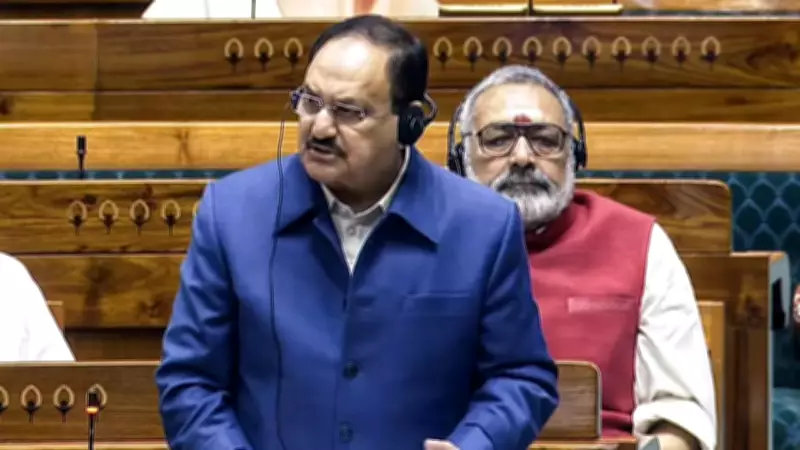
Union Health Minister Advocates AI Integration and Accelerated Hiring at AIIMS
Union Health Minister Jagat Prakash Nadda has called for a dual approach of embracing artificial intelligence in medical diagnostics and expediting faculty recruitment processes across the expanding network of All India Institutes of Medical Sciences (AIIMS). Addressing a leadership conclave of Presidents and Executive Directors from newly established AIIMS institutions on Friday, Nadda outlined a comprehensive vision for balancing technological advancement with human resource strengthening.
Artificial Intelligence and Telemedicine Integration
The Minister urged AIIMS institutions to systematically integrate artificial intelligence into their diagnostic procedures and clinical decision-making frameworks. He emphasized that AI implementation should become a standard component of modern healthcare delivery at these premier medical institutes. Additionally, Nadda directed that telemedicine services be institutionalized as a regular feature of patient care, ensuring that technological advancements directly benefit healthcare accessibility and quality.
Addressing Critical Staffing Shortages
Nadda stressed that infrastructure expansion must be matched by corresponding strengthening of human resources. He called for accelerated faculty recruitment processes without compromising academic standards or healthcare delivery quality. The Minister specifically suggested conducting at least four interview cycles annually to expedite hiring and fill critical positions more efficiently.

For nursing and non-faculty staff positions, Nadda emphasized the regular conduct of structured recruitment mechanisms including the Nursing Officer Recruitment Common Eligibility Test (NORCET) and Common Recruitment Examination (CRE). These systematic approaches aim to ensure timely appointments and address the significant staffing gaps currently affecting AIIMS institutions.
Concerning Vacancy Statistics
The emphasis on accelerated hiring comes against the backdrop of substantial staffing deficiencies across AIIMS institutions. Recent parliamentary disclosures revealed that approximately one-third of faculty positions remain vacant across the AIIMS network. Furthermore, over 17,000 non-faculty positions—including crucial roles for nurses, technicians, and support staff—are unfilled across 20 operational institutes.
These vacancies have raised serious concerns about service delivery capabilities, particularly as patient loads continue to increase across the expanding AIIMS network. The staffing gaps threaten to undermine the quality of healthcare services even as infrastructure expands nationwide.
Balanced Development and Patient-Centric Approach
Nadda reiterated that patient care, medical education, and research must advance in balanced coordination, anchored firmly in a patient-centric healthcare model. He called for implementing structured patient feedback systems to continuously improve service quality and greater transparency in institutional decision-making processes.
The Minister emphasized closer collaboration among AIIMS institutions, many of which are at different stages of development. This cooperative approach aims to ensure knowledge sharing and consistent standards across the expanding network of medical institutes.
Accessibility and Research Initiatives
Nadda directed that Jan Aushadhi Kendras and AMRIT pharmacies be made fully functional on every AIIMS campus to improve patient access to affordable medicines. He also encouraged collaborative research initiatives with premier institutions, particularly in specialized areas including rare diseases, genetic disorders, and medical technology innovation.
Preserving Institutional Standards
While advocating for expansion and modernization, Nadda cautioned that increased capacity should not dilute the established standards that have made AIIMS institutions benchmarks in healthcare and medical education. He emphasized the importance of preserving the institutional ethos and quality parameters that define AIIMS as centers of excellence in Indian healthcare.

The Minister's comprehensive address highlights the government's commitment to modernizing India's premier medical institutions while addressing practical challenges in staffing and service delivery. The dual focus on technological integration and human resource development represents a strategic approach to healthcare system strengthening as AIIMS expands its national footprint.





