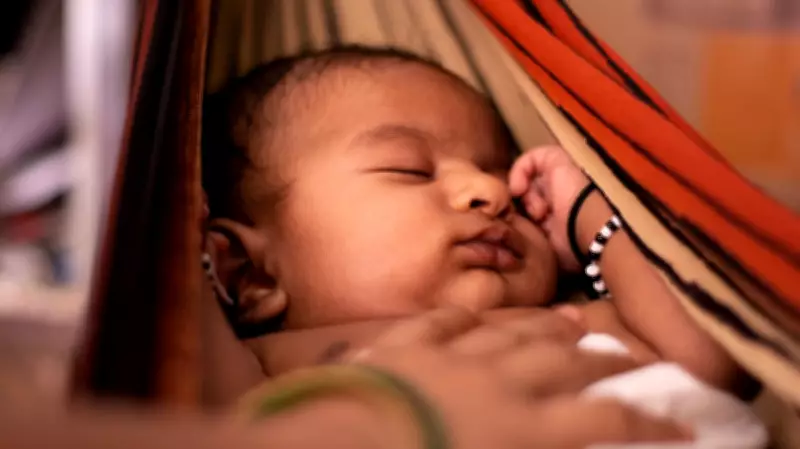
Karnataka's 71 Lakh Young Children Require Urgent Holistic Care
According to Census 2011 data, more than 71 lakh children in the age group of 0-6 years reside in Karnataka. Their growth and development trajectory depends heavily on the availability of sustained and holistic care. This large demographic represents a critical window of opportunity for intervention, as early childhood experiences shape lifelong health, education, and economic outcomes.
The Current State of Early Childhood Care in Karnataka
Despite various government schemes like the Integrated Child Development Services (ICDS) and the National Education Policy 2020's emphasis on early childhood care and education (ECCE), significant gaps remain. Many Anganwadi centers lack adequate infrastructure, trained staff, and nutritional support. A 2023 report by the Karnataka State Health Department indicated that 35% of children under five are stunted, and 20% are underweight, highlighting the urgent need for improved nutrition and healthcare access.
Challenges in Implementation
Experts point to several barriers: insufficient funding, lack of coordination between departments, and low community awareness. Dr. Sunita Rao, a child development specialist at Bengaluru's St. John's Medical College, stated, "The first 1,000 days of a child's life are crucial for brain development. We need a multi-sectoral approach involving health, nutrition, education, and social protection." The state government has allocated ₹1,200 crore for ICDS in 2025-26, but advocates argue this is insufficient given the scale of need.

Policy Recommendations and Way Forward
A recent white paper by the Karnataka Child Rights Commission recommends establishing a dedicated Early Childhood Development (ECD) fund, integrating ECCE into primary health care, and training community health workers to provide home-based care. The commission also suggests leveraging technology for tracking developmental milestones and nutritional status. "We must move beyond a one-size-fits-all model to address the diverse needs of urban and rural children," said Commissioner Meera K. in a public statement.
Impact of Neglect on Future Generations
Failure to invest in early childhood care has long-term consequences. Studies show that children who miss out on quality ECCE are more likely to drop out of school, have lower earning potential, and face chronic health issues. For Karnataka, which aims to become a $1 trillion economy by 2032, neglecting this demographic could undermine human capital development. The state's Gross Enrollment Ratio in pre-primary education stands at 62%, below the national average of 68%, according to the Unified District Information System for Education (UDISE) 2023-24.
Community and NGO Initiatives
Several non-profits are stepping in to fill gaps. For instance, the Akshara Foundation runs early learning centers in 12 districts, reaching over 50,000 children annually. Their model focuses on play-based learning and parental engagement. Similarly, the Bhoruka Charitable Trust provides nutritional supplements to 10,000 children in tribal areas. However, these efforts remain fragmented and need scaling through public-private partnerships.
Conclusion: A Call for Collective Action
Reimagining early childhood care in Karnataka requires a paradigm shift from viewing it as a welfare expense to a strategic investment. The state must prioritize budget allocations, strengthen monitoring mechanisms, and foster cross-sector collaboration. As the Census 2011 figures remind us, 71 lakh children cannot wait. Their future—and the state's—depends on decisive action today.