Heart Attacks No Longer Spare the Young in India
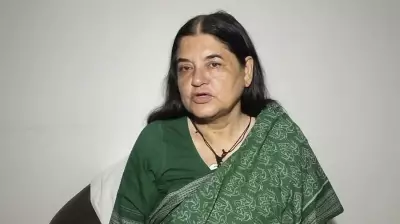
Cardiovascular disease is escalating among young Indians, with age no longer a protective factor against heart attacks. Dr H S Natraj Setty, a cardiologist, warns that modern lifestyles are damaging hearts long before the first symptom appears. The trend is alarming: more individuals in their 30s and 40s are experiencing cardiac events that were once typical in older adults.
Why Younger Hearts Are at Greater Risk
Dr Setty attributes the rise to a combination of sedentary habits, poor diet, chronic stress, and undiagnosed conditions like hypertension and diabetes. He notes that many young patients ignore early warning signs such as chest discomfort, breathlessness, or fatigue, attributing them to work pressure or lack of sleep. According to recent data, India accounts for nearly 20% of global cardiovascular deaths, with a growing proportion under age 50.
Modern Lifestyles: The Silent Culprit
The expert emphasizes that urban lifestyles—long working hours, processed food consumption, smoking, and minimal physical activity—create a perfect storm for heart disease. He states, "We are seeing heart attacks in individuals as young as 25, often with no prior history. The damage accumulates silently over years." Stress, in particular, triggers hormonal changes that increase blood pressure and inflammation.

Prevention Strategies for Young Adults
Dr Setty recommends regular health screenings from age 20, including blood pressure, cholesterol, and blood sugar checks. He advises at least 150 minutes of moderate aerobic activity per week, a diet rich in fruits and vegetables, and stress management through yoga or meditation. Avoiding tobacco and limiting alcohol are critical. He warns, "Ignoring symptoms can be fatal. Early intervention saves lives."
Public Health Implications
The rising trend among young Indians poses a significant burden on healthcare systems. Dr Setty calls for workplace wellness programs and public awareness campaigns targeting younger demographics. He concludes, "We need a cultural shift towards preventive care. Heart disease is not inevitable—it is largely preventable."