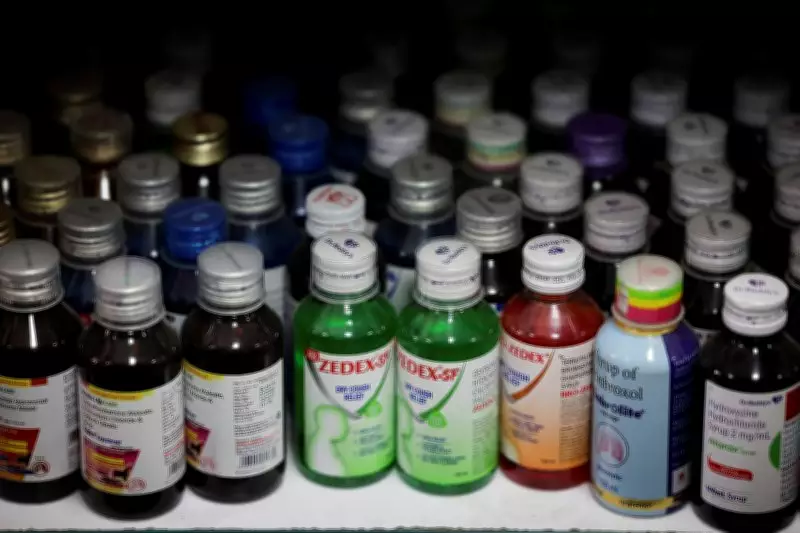
Government Tightens Rules on High-Alcohol Medicines
The central government has introduced stricter regulations on the sale of oral medicines containing high alcohol content, a move widely seen as a long-overdue correction to a loophole that has enabled widespread misuse. The new rules mandate licenses, prescriptions, and more rigorous record-keeping for formulations with more than 12 per cent ethyl alcohol, particularly those sold in larger bottles. This decision acknowledges a reality that regulators have ignored for too long: medicines can become intoxicants when oversight is lax.
Balancing Patient Access with Public Safety
The updated regulations sensibly balance the needs of patients with public safety concerns. Individuals with genuine medical requirements will continue to obtain these formulations under a doctor's supervision, while the ease with which they have been diverted for non-medical use is expected to diminish. This is especially critical because adolescents and persons struggling with addiction are often drawn to such products as inexpensive substitutes for beverage alcohol.
AIIMS and WHO Document Misuse
The National Drug Dependence Treatment Centre at AIIMS has documented the misuse of pharmaceutical preparations, including cough syrups, among people seeking treatment for substance-use disorders. According to the World Health Organisation, alcohol-containing medicines are particularly liable to diversion in regions where conventional alcohol is costly or difficult to obtain. These are clear signals that regulation must evolve as methods of abuse change.

Implementation Challenges Ahead
However, rules on paper are only the beginning. Effective enforcement requires adequately staffed drug inspectors, accountable pharmacies, and digitised sales records to prevent circumvention. Doctors are urged to prescribe these formulations sparingly and to explain their risks to patients. Public awareness campaigns are also essential: a medicinal label is no guarantee of harmlessness.
A Necessary Step for Public Health
The amendment reflects a basic duty of the state: to ensure that therapeutic products are used for healing, not harm. The government has taken the right step; it must now demonstrate the resolve to enforce it. Anything less would leave a dangerous loophole only partially closed.