

SGPGIMS Observes World Head Injury Awareness Day with Dual Focus on Prevention and Rehabilitation
In a significant initiative to address the growing burden of traumatic brain injuries (TBI), the Sanjay Gandhi Postgraduate Institute of Medical Sciences (SGPGIMS) in Lucknow marked World Head Injury Awareness Day on Thursday with a comprehensive program. The event combined a walkathon promoting road safety with a specialized awareness session focused on post-injury rehabilitation, underscoring the critical need for both preventive measures and early care.
Walkathon Emphasizes Helmet Use and Road Safety
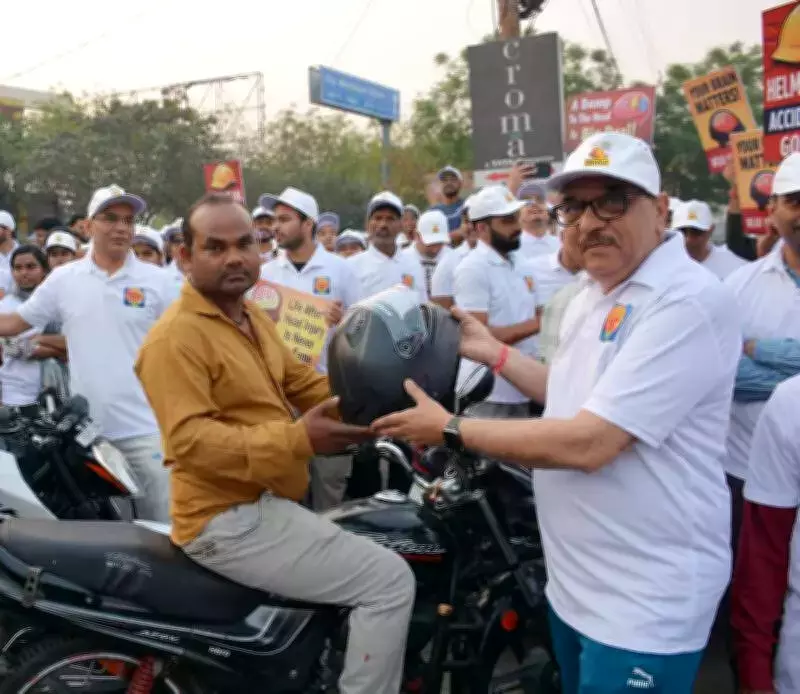
The department of neurosurgery organized a walkathon that saw enthusiastic participation from nearly 200 individuals, including faculty members, residents, nursing staff, and students. The event was inaugurated by institute director Dr. Radha Krishna Dhiman, who shared a personal anecdote from his own road accident experience to stress the life-saving importance of helmet use.
Addressing the participants, Dr. Arun Kumar Srivastava highlighted alarming statistics, noting that approximately one million people suffer head injuries annually in India, with about half facing long-term disabilities. "This underscores the urgent need for robust prevention strategies," he stated.

Dr. Awadhesh Kumar Jaiswal further cautioned against distracted driving, identifying mobile phone use while driving as a major risk factor for accidents leading to head trauma.
Community Engagement and Helmet Distribution
The walkathon proceeded to Vrindavan Gate, where participants collaborated with traffic police to promote safety directly. In a proactive move, they distributed helmets to riders found without protective gear and rewarded rule-abiding commuters with roses, fostering a positive reinforcement approach to road safety.
Rehabilitation Program Focuses on Long-Term Care
Parallelly, the department of physical medicine and rehabilitation (PMR) conducted a specialized program at the Apex Trauma Centre. This session brought together TBI survivors, caregivers, and medical experts to emphasize a multidisciplinary approach to recovery and long-term care.
Dr. Siddharth Rai emphasized the crucial role of rehabilitation, stating, "Rehabilitation plays a vital role in improving functional outcomes and enhancing the quality of life for head injury patients, addressing the growing burden of these injuries."
The program highlighted key aspects of TBI management:
- Early intervention to mitigate long-term effects
- Comprehensive rehabilitation strategies involving physical, occupational, and speech therapy
- Support systems for caregivers and families
- Integration of advanced medical technologies in treatment plans
Unified Message: Prevention and Care Are Interlinked
The dual events at SGPGIMS sent a clear, unified message: reducing the burden of traumatic brain injuries requires a two-pronged approach. While prevention through road safety measures like helmet use and avoiding distractions is paramount, equally important is ensuring timely and effective rehabilitation for those affected.
By combining community outreach with expert-led discussions, SGPGIMS not only raised awareness but also provided practical insights into tackling the challenges posed by head injuries, setting a precedent for holistic public health initiatives.






