

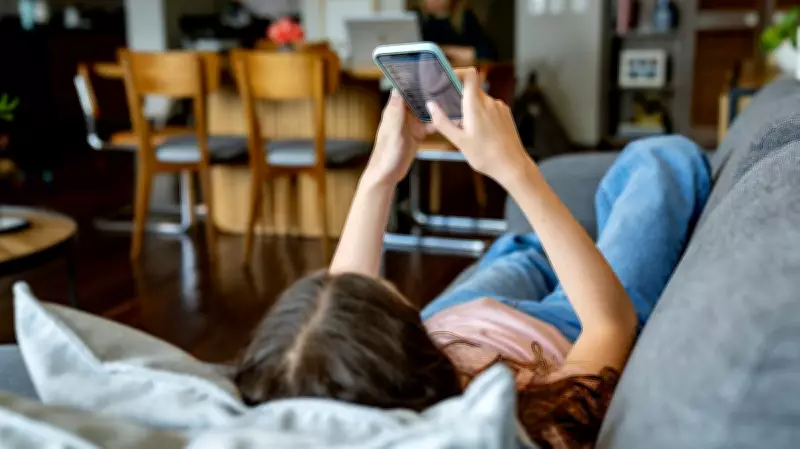
Social Media Restrictions for Teens: A Double-Edged Sword
Proposals to ban social media for children under 16 have sparked debate, with experts warning that such restrictions may cause more harm than good. While intended to protect young people from online risks, the measures could lead to unintended negative consequences.
Potential Negative Outcomes
Adolescents may feel isolated from their peers, as social media has become a key platform for social interaction. This isolation could foster rebellion against parental and governmental authority. Additionally, a complete ban may hinder the development of essential digital literacy skills, leaving young people unprepared for a technology-driven world.
Expert Concerns
Child psychologists and digital rights advocates argue that education and guided use are more effective than outright prohibition. They emphasize the need for balanced approaches that teach responsible online behavior rather than imposing restrictions that may backfire.

UK Government's Stance
The UK government, led by Prime Minister Keir Starmer, has been exploring stricter regulations on social media platforms to curb addiction and protect minors. However, critics point out that previous similar measures have had limited impact, and enforcement remains a challenge.
Global Context
Other countries have implemented varying degrees of restrictions, with mixed results. Australia recently passed a law banning social media for under-16s, but its long-term effects are yet to be seen. The debate continues as policymakers seek the right balance between protection and freedom.
As the discussion evolves, stakeholders call for evidence-based policies that prioritize the well-being of young people without stifling their growth in the digital age.






