

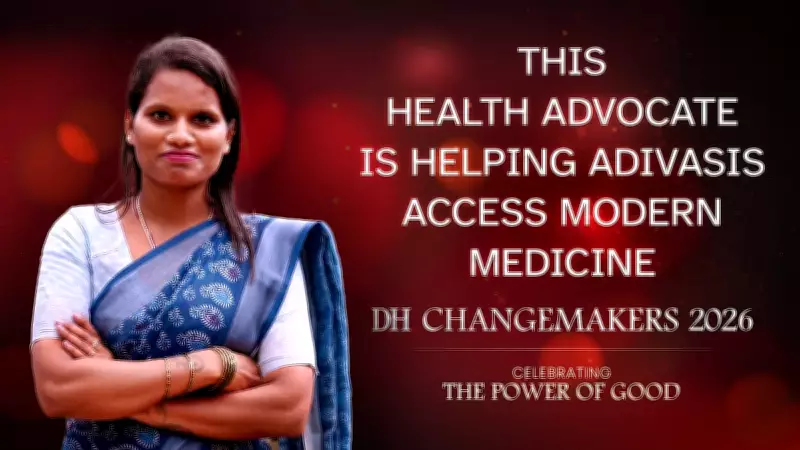
How a Tribal Health Coordinator Is Empowering Adivasi Communities with Accessible Healthcare
In the heart of India's remote and often overlooked regions, a dedicated tribal health coordinator is making significant strides in bridging the healthcare gap for Adivasi communities. This individual, whose efforts have garnered attention for their impact, is working tirelessly to ensure that indigenous populations receive the medical attention they deserve, overcoming longstanding barriers of accessibility and awareness.
Addressing Healthcare Disparities in Tribal Areas
The coordinator's role involves a multifaceted approach to improving health outcomes among Adivasis. By collaborating with local health authorities and non-governmental organizations, they facilitate the delivery of essential medical services to these underserved communities. This includes organizing health camps, providing vaccinations, and ensuring the availability of basic medicines in areas where healthcare infrastructure is sparse or non-existent.
One of the key challenges faced is the geographical isolation of many tribal villages, which makes it difficult for residents to reach hospitals or clinics. The coordinator addresses this by mobilizing resources to bring healthcare directly to the people, reducing travel time and costs for families. Additionally, they work on building trust within the communities, as cultural and linguistic differences can sometimes hinder effective communication with healthcare providers.

Raising Awareness and Promoting Preventive Care
Beyond direct medical assistance, the coordinator plays a crucial role in health education. They conduct awareness sessions on topics such as maternal and child health, nutrition, hygiene, and disease prevention. By empowering Adivasis with knowledge, they help prevent common ailments and promote healthier lifestyles, which is particularly important in regions with high rates of malnutrition and infectious diseases.
The impact of these efforts is evident in improved health indicators, such as reduced infant mortality rates and better management of chronic conditions like tuberculosis and malaria. The coordinator also advocates for the inclusion of traditional healing practices where appropriate, respecting the cultural heritage of the communities while integrating modern medical approaches.
Overcoming Barriers and Building Sustainable Solutions
The work of this tribal health coordinator highlights the importance of localized interventions in public health. They navigate challenges such as limited funding, logistical hurdles, and social stigmas associated with certain health issues. By fostering partnerships and leveraging community networks, they create sustainable models that can be replicated in other tribal areas across India.
Key initiatives include:
- Training local health volunteers to provide first aid and basic care.
- Establishing referral systems for critical cases to nearby hospitals.
- Promoting the use of telemedicine to connect remote villages with specialists.
- Advocating for policy changes to allocate more resources to tribal health programs.
This story underscores the transformative power of dedicated individuals in addressing healthcare inequities. As the coordinator continues their mission, they serve as an inspiration for others working in the field, demonstrating that with persistence and compassion, accessible healthcare for all is an achievable goal.






