

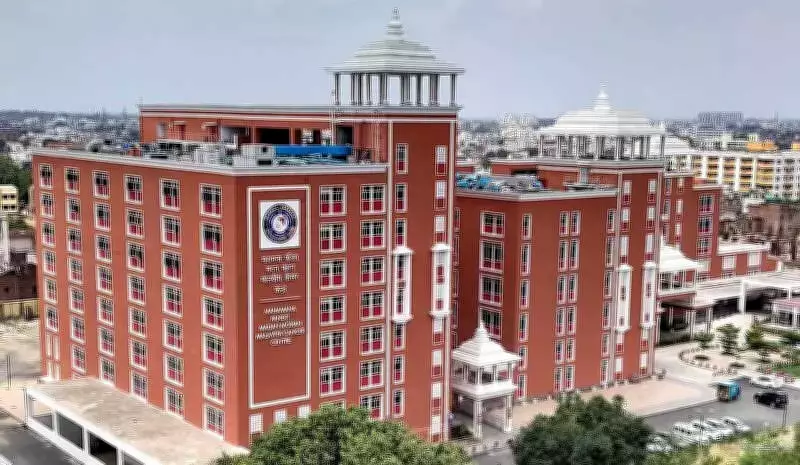
In a significant development for cancer care in northern India, the Mahamana Pandit Madan Mohan Malviya Cancer Centre (MPMMCC) and Homi Bhabha Cancer Hospital (HBCH) in Varanasi have been continuously expanding their facilities to provide better and more modern treatment to cancer patients from Uttar Pradesh and neighboring states. This expansion represents a crucial step forward in addressing the growing cancer burden in the region.
Radiation Therapy Expansion and Patient Impact
The hospitals have made substantial progress in enhancing their radiation therapy capabilities. Last year, three additional radiation machines were installed at the facility, bringing significant improvements to patient care. Currently, patients are receiving direct benefits from this expansion, with an average of 350 patients receiving radiation therapy daily at both institutions combined.
According to data released by the hospital on World Cancer Day, there was a remarkable 30% increase in patients receiving radiation therapy in 2025 compared to 2024. February 4th is observed globally as World Cancer Day each year, with the primary aim of creating awareness about this devastating disease and promoting early detection and treatment.

Global Cancer Context and Treatment Approaches
The World Health Organization's data reveals the staggering global impact of cancer. In 2022 alone, approximately 20 million cancer cases were recorded worldwide, with 9.7 million people succumbing to the disease during the same period. In such challenging circumstances, awareness about cancer prevention, early detection, and treatment options becomes extremely necessary for public health.
Cancer treatment primarily involves three main approaches: surgery, radiotherapy, and chemotherapy. Each method plays a crucial role in comprehensive cancer care, with radiation therapy being particularly important for many types of cancers.
Hospital Growth and Patient Statistics
Dr. Ashutosh Mukherjee, head of the radiation oncology department at Mahamana Pandit Madan Mohan Malviya Cancer Centre, provided insightful statistics about the hospital's growth. He revealed that approximately 60 to 65% of patients coming to the hospital require radiotherapy at some stage of their treatment journey.
The hospital's remarkable growth trajectory is evident in the radiation therapy numbers. When the hospital began operations in 2018, only 532 patients received radiation therapy that year. By 2025, this number had increased dramatically to 4,735 patients, representing nearly a nine-fold increase in just seven years.
Dr. Mukherjee further explained the technological evolution at the facility. In the initial phase, only one radiation machine was available at the hospital. Currently, six modern radiation machines are operational across both hospitals, significantly enhancing treatment capacity and quality.
Common Cancer Types and Treatment Duration
Among patients receiving radiation therapy at these Varanasi hospitals, approximately 25% suffer from oral cancer. The primary cause of this particular cancer type is the consumption of tobacco and related products, highlighting the importance of public health initiatives against tobacco use.
Following oral cancer, breast cancer patients rank second in receiving radiation therapy at these facilities. This distribution reflects common cancer patterns in the region and guides treatment planning and resource allocation.
The treatment duration for radiation therapy varies according to individual patient needs. On average, it takes about 35 days for a patient to complete the full course of radiation therapy, though this duration may be shorter or longer depending on the specific condition and response to treatment.
Importance of Early Detection and Advanced Technology
Dr. Mukherjee emphasized the critical importance of timely screening and early disease identification in cancer treatment. Early detection not only increases the chances of successful treatment but also makes the treatment process relatively easier and less intensive for patients.

Unfortunately, most patients still reach the hospital when the disease has progressed to an advanced stage, which presents various challenges in treatment and reduces the likelihood of positive outcomes. This reality underscores the need for continued awareness campaigns and improved access to screening facilities.
Dr. Sambit Swaroop Nanda, a physician in the radiation department, highlighted the hospital's technological advancements. The facility now boasts advanced-level technology along with state-of-the-art machines, including specialized equipment for radiation delivery coordinated with breathing patterns, as well as radiation technology for skin-related diseases.
The hospital has equipped itself with all necessary resources to provide therapy tailored to each patient's specific condition, ensuring personalized and effective treatment approaches.
Leadership Vision and Future Directions
Hospital director Dr. Satyajit Pradhan provided insights into the recent developments and future plans. He confirmed that three radiation machines were initiated last year, with two of them inaugurated by Prime Minister Narendra Modi, indicating the national importance placed on cancer care infrastructure.
Dr. Pradhan articulated the hospital's fundamental objective: to provide timely, uninterrupted, and quality cancer treatment to every patient who walks through their doors. The institution is placing strong emphasis on continuously increasing facilities and capabilities to ensure better patient care and outcomes.
The expansion of cancer treatment facilities in Varanasi represents a significant step forward in healthcare infrastructure for Uttar Pradesh and surrounding regions. As cancer incidence continues to rise globally, such developments in specialized treatment centers become increasingly vital for public health and patient wellbeing.





