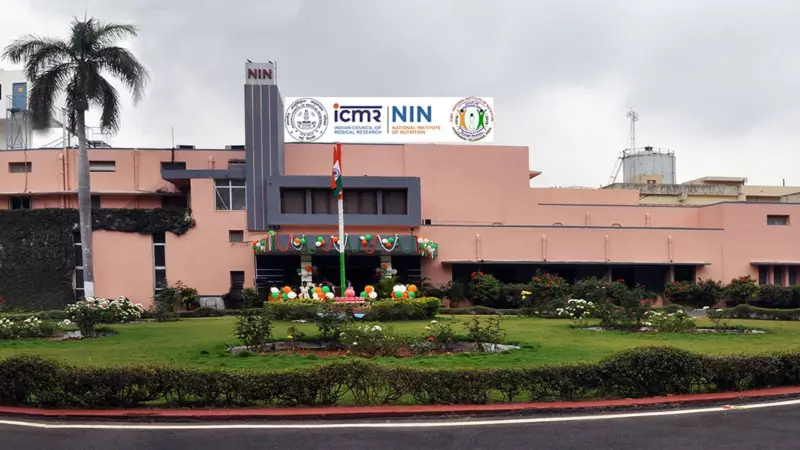
In a significant boost for medical research in Maharashtra, a Pune-based institution has secured a prestigious grant from the Indian Council of Medical Research (ICMR) to pioneer a novel solution for diabetic wound healing. The project, which focuses on converting poultry waste into advanced biomedical materials, has been awarded an intermediate grant of ₹1,09,93,437 (approximately ₹1.1 crore).
Turning Waste into Wellness: The Core Innovation
The groundbreaking research is being led by a team at the Dnyaan Prasad Global University School of Pharmacy and Research under the Dr D Y Patil Unitech Society. Dr. Asha Thomas, Head of the Department of Pharmaceutical Chemistry and the project lead, explained that their work embodies a circular economy model. The team is developing a collagen-elastin scaffold enriched with bioactive oil derived from chicken skin, aiming to dramatically accelerate the healing process in chronic diabetic wounds.
"Our waste-to-resource strategy aligns with Sustainable Development Goals by mitigating pollution and creating high-value, environmentally friendly alternative materials," Dr. Thomas stated. This approach not only addresses a critical healthcare issue but also offers an innovative way to repurpose agricultural by-products.

Why Diabetic Wounds Are a Critical Challenge
Chronic wounds in diabetic patients represent one of the most persistent and costly challenges in modern healthcare. Dr. Thomas elaborated on the science behind the poor healing, noting that high blood sugar levels impair the immune system and lead to poor blood circulation. This reduces the vital supply of oxygen and nutrients to the wound site.
Furthermore, diabetes can cause nerve damage and result in prolonged inflammation. "Compared to normal wounds, diabetic wounds heal poorly primarily because the inflammatory stage persists for a much longer duration," Dr. Thomas explained. Current treatments range from specialized dressings to advanced therapies like hyperbaric oxygen, yet there remains a pressing need for more effective and affordable solutions.
A Multidisciplinary Push for Regenerative Medicine
The research project employs a combination of cutting-edge technologies, including electrospinning to create the scaffold, natural biomaterials, and advanced cell culture methods. The team will specifically study the co-culture of skin cells—keratinocytes and fibroblasts—to enhance tissue regeneration in slow-healing ulcers.
"We aim to deliver a next-generation, cost-effective biomaterial that can improve clinical outcomes and significantly cut down healing time for high-risk patients," said Dr. Thomas. She is heading the project with co-investigators Dr. Sanjeevani Deshkar and Dr. Vinita Patole. The innovation integrates several advanced techniques, representing a holistic, translational approach to regenerative medicine.
The grant has been hailed as a milestone for the institution and the region's research landscape. Dr. Somnath P. Patil, Pro-Chancellor of Dnyaan Prasad Global University, remarked, "This grant will significantly boost biomedical research in Maharashtra. Securing an ICMR Intermediate Grant of this scale reflects the scientific excellence and innovative capacity of our faculty and their outstanding research team." He added that it underscores their commitment to transformative research that delivers real value to healthcare.
The announcement was made in Pune on December 16, 2025, marking a promising step forward in India's quest to address the complex issue of diabetic wound care through sustainable and innovative science.