

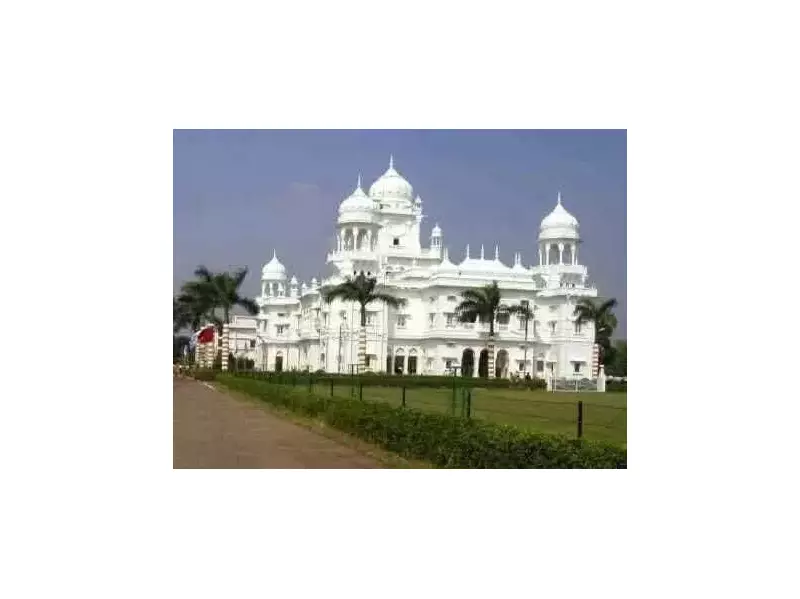
In a significant boost for emergency medical services in Uttar Pradesh, the King George's Medical University (KGMU) in Lucknow is set to install a state-of-the-art, artificial intelligence-enabled CT scanner at its trauma centre. The move is expected to dramatically reduce waiting times for critical patients, improving outcomes and streamlining care.
Cutting-Edge Technology to Combat Delays
The groundbreaking ceremony for the new unit is scheduled for Friday near the geriatric medicine complex, directly in front of the existing trauma centre. Professor Anit Parihar, head of the department of radiodiagnosis, stated that the facility should halve the current waiting time, bringing it down to less than an hour. This is crucial as the centre handles approximately 150 trauma patients requiring scans every single day.
"When many patients arrive simultaneously, even those in critical condition face delays due to high occupancy," explained Prof Parihar. "With this new facility, we will have two complexes operational, which will significantly reduce these bottlenecks." The project, with an estimated cost of Rs 8.5 crore, is anticipated to become fully functional within the next five to six months.

How AI Enhances Diagnosis and Workflow
The new scanner is not just about adding capacity; it integrates AI to improve both efficiency and accuracy. Prof Parihar highlighted that delays in trauma care often stem from ancillary processes like requisition, billing, record-keeping, and patient shifting, rather than the scan itself. "This AI-enabled system is specifically designed to streamline that entire workflow," he noted.
On the diagnostic front, the AI reconstruction technology promises clearer images. "AI reconstruction makes images sharper and may aid in detecting fine fractures and small bleeds that could be missed otherwise," Prof Parihar said. He added that as a new method, its independent validation will evolve with use, but radiologists will always have access to raw data for double-checking, ensuring safety and accuracy.
Focus on Safety and Training
Addressing concerns about radiation exposure, especially for younger patients, Prof Parihar emphasized the ALARA principle—keeping exposure "As Low As Reasonably Achievable." "Children are more sensitive and may require multiple scans over their lifetime, so we must take extra care," he affirmed.
KGMU Vice-Chancellor Prof Soniya Nityanand confirmed that following installation, technicians and radiologists will undergo 15 days of intensive on-site training to master the new technology. The existing CT scanner at the trauma centre will remain operational as a backup, ensuring no disruption in services. Prof Nityanand believes this advancement will further solidify KGMU's reputation as a premier trauma care hub in the region.
The introduction of this AI-driven diagnostic tool marks a pivotal step in modernizing healthcare infrastructure in Lucknow, aiming to deliver faster, safer, and more precise care to those in urgent need.






