

Bengaluru Doctors Sound Alarm Over Rising Cases of Rare Adolescent Hip Condition
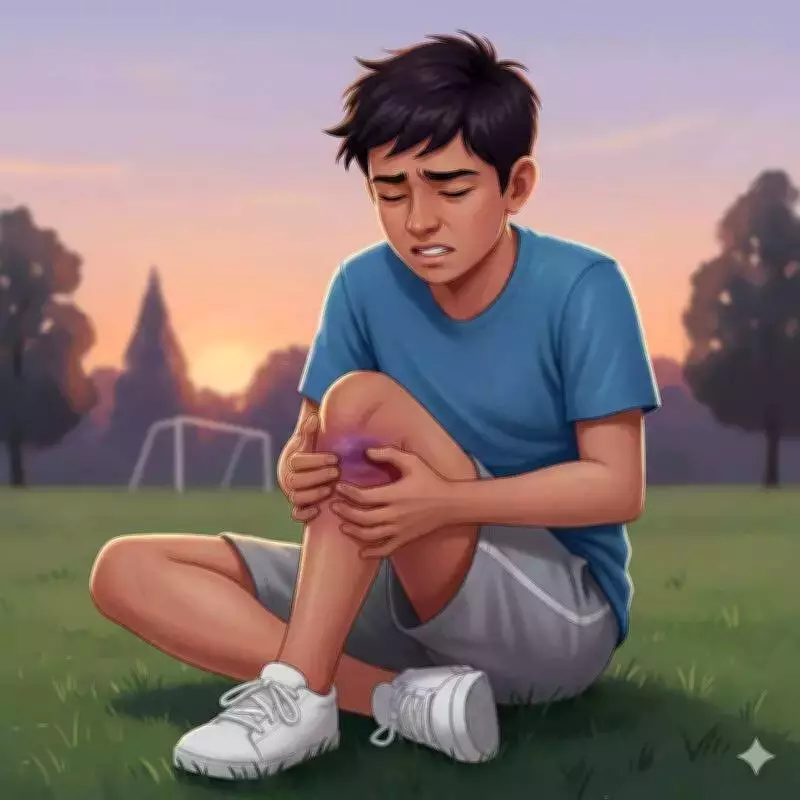
A teenage boy from Bengaluru recently visited a doctor for what seemed like occasional knee pain and a mild limp. The diagnosis, however, revealed a far more serious underlying condition than his family anticipated. He was diagnosed with Slipped Capital Femoral Epiphysis (SCFE), a rare orthopedic disorder where the ball of the hip joint slips out of its normal position.
From Rare Occurrence to Growing Concern
This condition, which doctors once encountered only once every two or three years, is now being reported with increasing frequency across Bengaluru's medical community. Many orthopedic specialists now confirm seeing between two to five cases annually in their practices, marking a significant and worrying trend that has raised red flags among healthcare professionals.
Understanding SCFE: Symptoms and Risk Factors
SCFE typically affects children and adolescents aged 10 to 15 years, coinciding with puberty. The condition develops when the growth plate at the top of the thigh bone weakens during this critical growth period, causing the femoral head to slip backward and downward. Initial symptoms often include:

- Limping or altered gait
- Pain in the thigh, hip, knee, or groin that intensifies with physical activity
- Restricted range of motion in the hip joint
Dr. Mallinath G, consultant in orthopaedic and robotic joint replacement surgery at Manipal Hospitals on Old Airport Road, emphasizes the importance of vigilance. "We should not neglect any child presenting with pain in the hip joint or limb, or facing difficulty in walking. These symptoms may develop suddenly or gradually. Any child with hip pain requires urgent medical attention, as it could indicate either SCFE or a hip infection, both demanding immediate intervention."
Complex Surgical Intervention and Treatment Protocols
The Bengaluru teenager underwent a sophisticated hip preservation surgery performed by Dr. Noel Naleen Kumar, consultant paediatric orthopaedic surgeon at Hosmat Multispecialty Hospital. The procedure involved surgical dislocation, precise realignment of the slipped femoral head, and internal fixation, all while meticulously preserving the delicate blood supply to the hip joint.
While this particular case concluded successfully, Dr. Kumar notes that such instances are no longer isolated. "We are witnessing an increasing number of adolescents presenting with SCFE. This rise is closely associated with childhood obesity, endocrine disorders, and broader lifestyle changes. Unfortunately, many children arrive for treatment at advanced stages when the condition has already significantly worsened."
The Critical Role of Surgical Treatment
Medical experts clarify that while initial symptoms might be managed conservatively, surgical intervention remains the definitive long-term treatment for SCFE. Dr. Yogesh K, senior consultant in arthroscopy and sports injury at Aster Whitefield Hospital, explains the treatment pathway. "During the initial phase, rest, activity modification, crutches, and temporary casting can help manage symptoms. However, surgical treatment becomes essential for all SCFE cases to stabilize the hip joint and prevent further bone displacement. The most common procedure is in-situ pinning, where surgeons insert screws through the growth plate to secure the femoral head in its correct position."
Severe Consequences of Delayed Treatment
Doctors issue stern warnings about the potential complications of untreated SCFE. If not addressed promptly, the condition can lead to serious issues, potentially necessitating hip replacement surgery as early as one's thirties. Dr. Mallinath elaborates on the risks: "Children might develop severe complications including progressive slippage leading to limb shortening, persistent walking difficulties, and early-onset arthritis of the hip joint in later life."

Prevention and the Imperative of Early Diagnosis
While SCFE itself is not preventable—as it can affect any child—medical professionals stress that early diagnosis and timely treatment are absolutely vital. The condition's increasing prevalence in Bengaluru underscores the need for heightened awareness among parents, educators, and healthcare providers about its symptoms and the urgency of orthopedic evaluation when warning signs appear.





