A decade-long medical study from Chandigarh delivers a stark warning to those who consider a small belly bulge harmless. The research reveals that one in every five individuals with initially normal blood sugar progressed to full-blown diabetes within ten years, with a slight increase in waist circumference being the most critical risk factor.
The Chandigarh Urban Diabetes Study: A Decade of Tracking Health
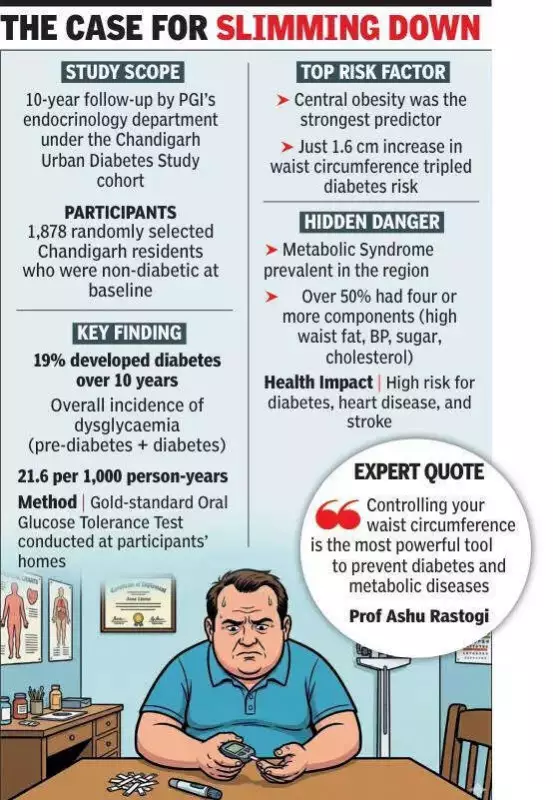
Conducted by the Department of Endocrinology at the Postgraduate Institute of Medical Education and Research (PGI), this research was part of the larger Chandigarh Urban Diabetes Study. Unlike many studies that examine already ill patients, this project followed 1,878 randomly selected, non-diabetic residents of Chandigarh over a full ten years. The goal was to track the "conversion rate"—how many healthy people would develop pre-diabetes or diabetes over time.
The researchers employed the gold-standard Oral Glucose Tolerance Test (OGTT), visiting participants' homes to administer a glucose drink and accurately measure their blood sugar response. This meticulous method ensured the findings were robust and reliable.

Alarming Findings: Waist Size Emerges as Top Predictor
The results were concerning. The study found that 19% of participants developed diabetes over the decade. The overall incidence of dysglycaemia (which includes both pre-diabetes and diabetes) was calculated at 21.6 new cases per 1,000 person-years.
After ruling out non-changeable factors like family history, scientists pinpointed modifiable risks. The single most powerful predictor was central obesity—excessive fat around the waist. The data showed a startling connection: participants who increased their waist circumference by just 1.6 centimetres (a little over half an inch) over the ten-year period faced a three times greater risk of developing diabetes compared to those whose waist size remained stable.
The Hidden Danger of Metabolic Syndrome
The study also uncovered a widespread, silent health threat in the region: Metabolic Syndrome. This is a cluster of dangerous conditions that includes excessive abdominal fat, high blood pressure, elevated blood sugar, and abnormal cholesterol levels. Alarmingly, the research found that more than half of the surveyed individuals in Chandigarh already had four or more of these components.
This combination places them at an extremely high and immediate risk for not just diabetes, but also for life-threatening cardiovascular diseases like heart attacks and strokes.
Professor Ashu Rastogi, the corresponding author of the study publication, emphasized the key takeaway for the public: "Controlling your waist circumference is the most powerful tool you have to prevent the conversion to diabetes and protect yourself from a cluster of serious metabolic diseases."
The message from this long-term research is clear. For residents of Chandigarh and beyond, vigilant management of weight, particularly abdominal fat, is not merely about aesthetics but a crucial medical intervention to prevent a lifelong burden of disease. The choice between mindful eating and medication may hinge on just a few centimetres around the waist.